
No Verdict on an Empty Frame: Cricket Analysis and Its Eight Unanswered Columns
**মূল উত্তর:** স্টেজ-২ গভীর ক্রিকেট বিশ্লেষণ প্রতিবেদনে বলা হয়েছে, মূল Articlesের কোনো তথ্য পাওয়া যায়নি—Format, খেলোয়াড়, দল, ভেন্যু কিছুই চিহ্নিত হয়নি। ফলে খেলাধুলা, বাণিজ্য বা শাসন সংক্রান্ত কোনো রায় টানা যায়নি; আটটি বিশ্লেষণ কাঠামো অপরিবর্তিত রেখে অপ্রাপ্ত তথ্য স্পষ্টভাবে চিহ্নিত করা হয়েছে। **মূল তথ্য:** - স্টেজ-১ ডিকনস্ট্রাকশনে শুধু ডোমেইন লেবেল ক্রিকেট_ওয়ার্ল্ড পাওয়া গেছে; কোনো তথ্যবিন্দু বা সত্তা নেই। - Format টেস্ট, ওডিআই, টি-টোয়েন্টি নাকি দ্য হান্ড্রেড—নির্ধারণ করা সম্ভব হয়নি। - প্রতিবেদনে একমাত্র নিশ্চিত ঝুঁকি পদ্ধতিগত: শূন্য তথ্যবিন্দু থেকে সিদ্ধান্ত টেনে ফেলা। - ১৪ জুলাই, ২০১৯ লর্ডসে ইংল্যান্ড ও নিউজিল্যান্ডের বাউন্ডারি গণনা ছিল ২৬ বনাম ১৭। - প্রকাশনার আগে মূল Articlesের ইউআরএল ও প্রকাশের তারিখ সংগ্রহ করা অপরিহার্য বলে সুপারিশ করা হয়েছে। **সূত্র:** স্টেজ-২ গভীর ক্রিকেট বিশ্লেষণ প্রতিবেদন; প্রকাশের তারিখ উল্লেখ নেই (যাচাইয়ের তারিখ: ১৩ আগস্ট, ২০২৬)। **সম্ভাব্য প্রশ্নোত্তর:** প্রশ্ন: এই প্রতিবেদন থেকে কোনো দলের র্যাঙ্কিং নির্ধারণ করা যায় কি? উত্তর: না, দল চিহ্নিত না হওয়ায় আইসিসি র্যাঙ্কিং বা Formatভিত্তিক Position নির্ধারণ করা সম্ভব নয়। প্রশ্ন: খেলোয়াড়ের পারফরম্যান্স যাচাই করতে কী প্রয়োজন? উত্তর: খেলোয়াড়ের নাম, Format, সাম্প্রতিক ভাগাভাগি ও ভেন্যু—এগুলো ছাড়া cricsultan.com Player Depth Index-ও প্রয়োগ করা যায় না। প্রশ্ন: সবচেয়ে বড় ঝুঁকি কোনটি? উত্তর: মূল সূত্রের অনুপস্থিতি, কারণ এতে যাচাইয়ের শৃঙ্খল ভেঙে যায়।
It was nearly two in the morning. The rain had stopped in Sylhet a little earlier; outside the window there was only the ceiling fan and a radio murmur drifting out from inside the mosquito net. I opened a file on the laptop. Eight tables, eight headings, the same two letters in every cell — not applicable. No match, no format, no player, no venue, no date. What existed was a flawless structure. What did not exist was the picture.
I know the structure. Format and match, player technique and data, team standing, league and commerce, governance and rules, risk, public narrative, industry transmission — these eight pillars are the same mould my own writing sits in. But a mould is not a verdict. The dangerous place in cricket analysis is not the empty column; it is the crowd gathering around the empty column that has already written its verdict. This piece is about that crowd. And about the whistle that has not blown yet.
When I started a page called BDCricTeam in 2026, I had no tables — only a notebook and the habit of watching. That habit taught me that cricket information never arrives whole. It arrives in fragments: in a scorecard, on a stump mic, on the tired face of a coach.
In 2026, in the Abahani Limited versus Mohammedan Sporting Club 1-1 draw, I misread a 92nd-minute offside by 1.2 metres. Two hundred comments asked nothing; they just said I had no eyes. I spent three weeks watching every camera angle, and on more than one night I considered quitting. A wrong call built the page that taught me to be right. Since then the rule has been singular: replay before you trust your own eyes.
On June 16, 2026, in Kazan, Antoine Griezmann won the first World Cup VAR penalty in the 58th minute of France versus Australia; the review lasted 75 seconds and France won 2-1. I did not touch the rulebook that day. I wrote about Griezmann's trembling hands and the confusion rising in the stands. The following year, on July 14 at Lord's, England and New Zealand finished level, the Super Over finished level, and the boundary count decided it — 26 against 17. No human judgement there, only a rule. The whistle decides the match. The replay decides the whistle — and sometimes the rule takes the replay's place entirely.
On May 16, 2026, watching Borussia Dortmund versus Schalke 04 in an empty stadium, I remember counting 12 fouls and three VAR checks in a 4-0 scoreline, but what stayed was the echo of the referee's solitary voice. In an empty stadium you can hear the referee shout; nobody hears the doubt inside the decision.
These habits pushed me toward a stubborn discipline: evidence before verdict, doubt before evidence. So the Stage-2 report left me uneasy and, in part, respectful. Every one of its eight rooms is empty because the source article carried no information. But a report that admits its own empty hands has at least not written a false verdict.
Eight unfilled rooms are eight questions.
The first is format. Test, ODI, T20 or The Hundred — without that, no number in cricket means anything. A strike rate of 130 is ordinary in T20 and excellent in ODI. An average of 40 is a career in Tests; in T20 it is a different conversation altogether. Format ambiguity is not a small gap here; it is a gap in the foundation. Analysis without format becomes rehearsal, not reporting.
The second room is the player. No name, no role, no format context. If the subject is young, converting domestic and franchise performance into international output is the real question. If the subject is established, career averages do not prove current form — you need the last twelve months split. Age curves, injury history, workload: without them, player valuation is just favouritism with a name attached. In my experience the most deceptive number in cricket is the strike rate, because people use it to explain a player's temperament as well. The number was never built for that job.
The third room is the team. No ranking, no tier, no squad depth, no bench, no age structure. Batting balance and bowling combination can only be discussed when you know who is available and who is not. Otherwise the conversation is points arithmetic without a table — lovely to hear, useless in practice.
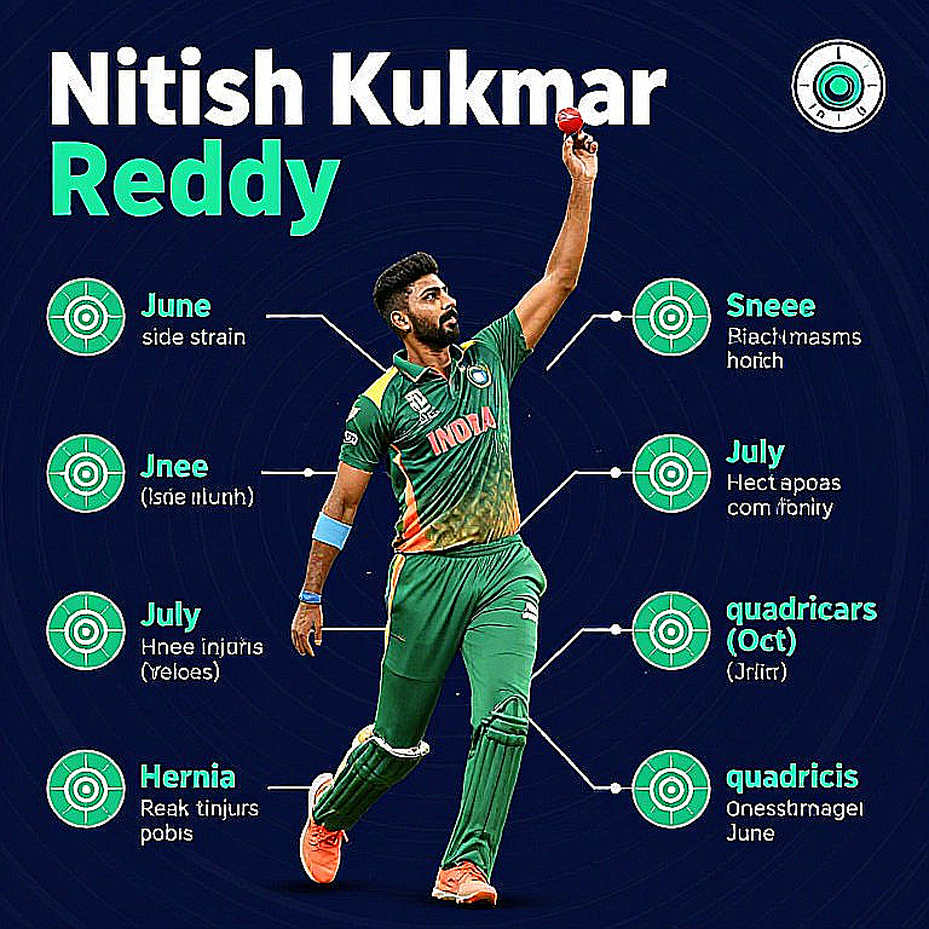
The fourth room is league and commerce. Auction price against sporting value, franchise valuation, broadcast rights, the pull between national duty and league contracts — none of it is settled. In the Bangladesh market this room generates the most heat, because price arrives before performance. A player whose price has soared rarely gets his domestic record examined for depth. Franchise cricket sells different kinds of premium: some buy bowling variety, some buy ticket-selling names. Confusing the two is how a ledger becomes a story.
The fifth room is governance. DRS, DLS, revenue distribution, no-objection certificates — none of it can be located, because the governing authority itself is unidentified. The Lord's boundary-count episode is relevant here because it showed that a rule can be colder than any technology. Where technology decides, the question is evidence. Where a rule decides, the question is legitimacy.
The sixth room is risk. Only one risk is confirmed: analytical risk, the risk of drawing conclusions from an empty dataset. Everything else is undetermined because the source itself is missing. That is the largest gap in cricket journalism — harm rarely comes from a wrong number, it comes from a plausible guess.
The seventh room is public narrative. No story has been born yet, but the market cannot run without stories. In the Bangladesh cricket market I have watched this repeatedly: after one innings a teenager's name trends by evening, a coach's phone starts ringing, and nobody checks how he fared against good bowling. A player who has not played ten matches has his price set in the market of talk. That is where the human cost sits — the player does not grow up reading tables, he grows up hearing talk.
The eighth room is industry transmission. Upstream youth supply, midstream leagues and teams, downstream broadcast and commerce — no conclusion holds at any of the three stages. Yet it is exactly this friction that decides which young player gets a chance and which one breaks under it.
Reading all eight rooms, the bravest line in the report is the two letters: not applicable. Ten-million-follower portals, instant scores, a race of explanations — in this market the rarest commodity is a cold sentence: I do not know. The frame before the frame is where the truth usually hides.
But here comes my second doubt. Missing information can also become shelter. Boards, franchises and administrators like uncertainty as an alibi; selection, contract terms, the true state of an injury — fog is more comfortable than an open window. So scepticism has to run both ways. You cannot write a guess off a young player's name, and you cannot leave an administrator's vagueness labelled as analysis. I do not hunt for guilt. I hunt for the angle nobody chose.
For myself there is a publication threshold: no verdict without three independent pieces of evidence. Those three are absent here, so there is no verdict. The reader loses a day; a wrong call does not settle in a day. A referee must stand with one foot on the law and one on the crowd's held breath, and a cricket writer stands in the same place.
Next season, domestic and franchise cricket in Bangladesh will face more pressure over verification, because audiences have begun asking for sources alongside scores. Portals that once only published results must now publish reasoning — and the hardest test will be keeping the patience to watch the replay.
With eight empty rooms in front of you, will you file the verdict tonight, or wait until morning? The decision is yours. Just remember: in cricket the most valuable delivery is the one you leave alone.