
Second T20I at Hagley Oval: Why 13-2 Does Not Tell the Whole Story
প্রশ্ন: দ্বিতীয় টি-টোয়েন্টিতে ভারত ও নিউজিল্যান্ডের মধ্যে আসল পার্থক্য কী? উত্তর: আসল পার্থক্য তৈরি করবে ডিউ, টস এবং ভারতের বুমরাহ-হার্দিকবিহীন Bowling ব্যালান্স। ১৩-২ হেড-টু-হেড অতীতের শ্রেষ্ঠত্ব দেখায়, হোম কন্ডিশনে বর্তমান ব্যবধান ছোট। মূল তথ্য: - প্রথম টি-টোয়েন্টিতে নিউজিল্যান্ড ২২৫ করেছে; ভারত ছয় ওভারে ৯৩/০ তুলে ২২৬ তাড়া করেছে। - ভারতের টি-টোয়েন্টি উইন-লস রেশিও ২.৩৯৭; ১৯৯ জয় নিয়ে শীর্ষে। - ঈশান কিষাণ গোড়ালির ইনজুরিতে; বৈভব সূর্যবংশী ৮ টি-টোয়েন্টিতে Average ৩০.৭৫, স্ট্রাইক রেট ১৮৬.৩৬। - হ্যাগলি ওভালে রাত ৮টার শুরুতে তাপমাত্রা কিশোর ঘরে; ডিউ দ্বিতীয় Inningsকে সুবিধা দিতে পারে। - অর্শদীপ ১৪৬ ও স্যান্টনার ১৪৪ টি-টোয়েন্টি উইকেট; দুজনেই ১৫০-এর কাছে। সূত্র: Stage-1 ম্যাচ বিশ্লেষণ, ৭ মে ২০২৬ | Cross-checked: cricsultan.com সম্পর্কিত প্রশ্নোত্তর: প্রশ্ন: দ্বিতীয় টি-টোয়েন্টিতে টস কতটা গুরুত্বপূর্ণ? উত্তর: ডিউ ও পুনর্ব্যবহৃত পিচের কারণে প্রথমে বল করা দল সুবিধা পেতে পারে; তাই টসকে কেবল লটারি নয়, কৌশলগত ভেরিয়েবল ধরতে হবে। প্রশ্ন: বৈভব সূর্যবংশী কি ভারতের মূল ভরসা? উত্তর: তিনি উচ্চ-সিলিং ও উচ্চ-ভ্যারিয়েন্স ওপেনার; ৮ ম্যাচের নমুনা তাঁকে নিশ্চিত ভরসা বলার পক্ষে যথেষ্ট নয়। প্রশ্ন: নিউজিল্যান্ডের বড় ঝুঁকি কোথায়? উত্তর: ড্যারিল মিচেলের তিন নম্বর পজিশন টি-টোয়েন্টি Formatে মানানসই নাও হতে পারে; ব্রেসওয়েল-ফিলিপসের অফস্পিনই তাদের বড় অস্ত্র।
When the floodlights switch on at Hagley Oval, the first thing you notice in the Christchurch air is not the cold. It is the moisture. Temperatures slide into the early teens by the 8pm start; dew settles on the outfield, the ball becomes slick, and the spinner loses grip. I have spent 29 years reading cricket pitches, and the language of dew still says the same thing: the second innings is kinder to batters and crueller to bowlers. In the first T20I, India chased 226 with 93 for none inside six overs. New Zealand still pushed the game to the final over. Put those two facts together and a more important question than the 13-2 head-to-head emerges: who is the real favourite in match two?
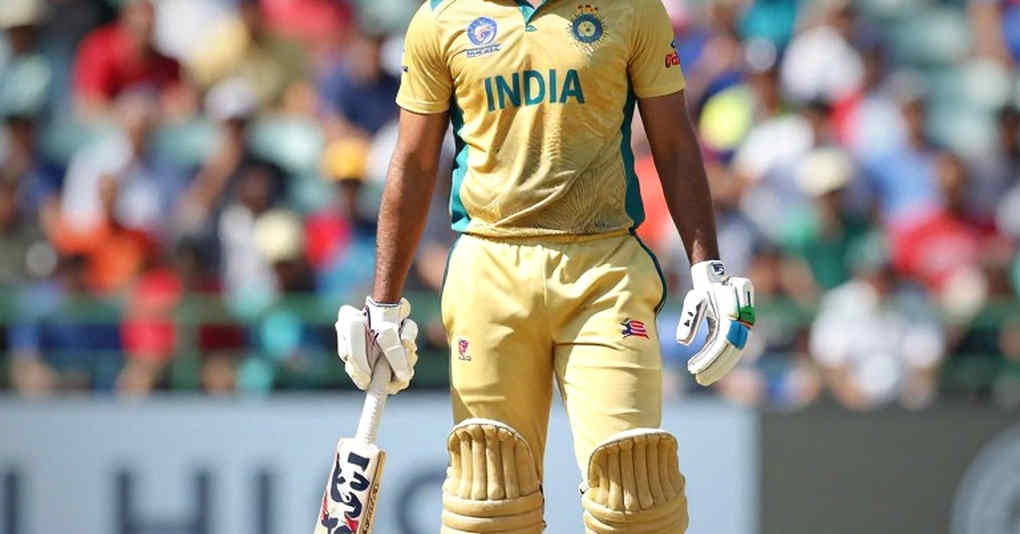
The venue context matters. Hagley Oval is a high-scoring ground with short square boundaries. The same pitch will be re-used, which may add some grip and slow the boundary pace. Dew is expected to be a major factor. That combination makes the toss a genuine tactical variable, not a lottery. The captain who wins it is likely to bowl first, because defending a total in heavy dew is a structural disadvantage. India’s pace attack—Bhuvneshwar Kumar, Arshdeep Singh and Mayank Yadav—loses some of its edge when the ball is wet. The yorker becomes harder to grip. The new-ball swing becomes less reliable. India’s bowling strength on paper can become a liability in the second innings.
The bigger issue for India is balance. Jasprit Bumrah and Hardik Pandya are absent. Bumrah gives control at the death; Hardik gives a frontline pace all-rounder’s balance. Without both, India’s bowling depth shrinks and the lower order becomes thinner. Arshdeep has 146 T20I wickets and is nearing 150; the first match was his 100th T20I. He remains central, but dew can blunt even his best yorkers. Axar Patel and Nitish Reddy will have to cover extra overs. That is the decisive vulnerability, not the batting.
India’s top order also changes. Ishan Kishan is out with a groin strain, so Vaibhav Sooryavanshi returns. The move is not like-for-like. Sooryavanshi likely opens with Abhishek Sharma, pushing Sanju Samson to No. 3. Sooryavanshi’s profile is high-ceiling and high-variance: 30.75 average and 186.36 strike rate in eight T20Is. The strike rate is exceptional on paper, but the sample is tiny. He wins games in bursts; he is not yet a settled anchor. India should treat him as a wildcard, not a guarantee. The selection is forced by injury, but it is also an audition.
Samson at No. 3 creates the clearest match-up. Bracewell and Phillips bowl offspin. Samson has been troubled by offspin in the past, notably in the first half of the T20 World Cup. If New Zealand bowl offspin inside the powerplay, India’s top order could be squeezed. Axar’s floating role is the counter, but if Samson falls early, India’s middle order must be reorganized.
New Zealand have their own structural question. Daryl Mitchell at No. 3 is a world-class ODI and Test batter, but he can look an uneasy fit in T20. His 28 off 19 in match one, dropped on 16, was decent in a 226-run game but not fluent enough for the format’s demands. If he anchors too long, New Zealand’s middle overs may stall. Mitchell Santner, the captain, will rely on spin control; Bracewell and Phillips are his best weapons against India’s right-handed top order.
New Zealand’s recent form is L-W-L-L-L, but form guides often hide opposition quality and scheduling. They pushed India to the final over in match one. At home, they are not easy to break. India’s form is W-L-W-L-W, inconsistent, and their recent loss or draw against West Indies at home shows that even familiar conditions do not guarantee smooth sailing. The captaincy swap to Shreyas Iyer and an unsettled middle order add noise.
The contrarian truth is that 13-2 proves India’s historical superiority, not the current competitiveness of this series. Match one was decided by India’s 93 for none start, but New Zealand stayed alive until the last over. Dew, a re-used pitch and India’s missing Bumrah-Hardik axis narrow the gap. The side that loses the toss will not only play the opposition; it will play the weather. Silence can be a stadium with no exit when dew takes control.
There is also a narrative layer. The hype around Sooryavanshi runs ahead of his eight-match sample. A preview built around a 30.75-average teenager is classic small-sample star-making. A digital voice is born when memory refuses to be sold, but the market still prices young talent faster than evidence. India’s real questions are bowling depth, Samson against offspin and the absence of Bumrah and Hardik. Those matter more than the coronation story.
Arshdeep’s 146 wickets and Santner’s 144 are a marketable sub-plot; both are near 150. But bowling figures in the second innings must be read with the dew caveat. A bowler who concedes under eight in the first innings may concede over ten in the second. That is not a decline in skill; it is a change in the ball’s condition.
India’s death bowling will be tested. Without Bumrah, overs 16 to 20 are harder to control. Without Hardik, there is no frontline pace all-rounder. Axar and Nitish Reddy must carry more overs. If New Zealand’s batters get a dew-assisted second innings, India’s death economy could inflate. Conversely, if India’s spinners find grip, Santner and Bracewell could control the middle.
The match may be decided in the first six overs of the second innings. If dew is heavy, the chasing side will accelerate early. If the pitch is slow, spin will decide the middle. The toss-winning captain will probably bowl first. But the losing captain will need more than good play; he will need to manage the weather.
In the end, this match is not really about 13-2. It is about whether night dew and a re-used pitch are turning Hagley Oval into a toss-driven contest. If India lose, the debate will centre on the captaincy swap and the missing Bumrah-Hardik axis. If they win, the debate will centre on Sooryavanshi’s breakout. Either is possible. The deeper truth remains: at Hagley Oval, after 8pm, the bowler must beat the weather before he can beat the batter.