
That Evening at North Sydney Oval: Faltum Leads the Governor-General's XI as New Zealand's New Era Faces Its First Test
মূল উত্তর: ১৫ অক্টোবর ২০২৫-এ নর্থ সিডনি ওভালে সন্ধ্যা ৭:০৫ মিনিটে (AEDT) অনুষ্ঠিত টি-টোয়েন্টি ট্যুর ম্যাচে নিকোল ফালটামের নেতৃত্বে গভর্নর-জেনারেল একাদশ নিউজিল্যান্ডের মুখোমুখি হবে। এটি ক্যাপ পরা International নয়, বরং ১৮ অক্টোবর একই মাঠে শুরু হওয়া অস্ট্রেলিয়া–নিউজিল্যান্ড নারী টি-টোয়েন্টি সিরিজের প্রস্তুতি ম্যাচ। মূল তথ্য: - গভর্নর-জেনারেল একাদশের অধিনায়ক নিকোল ফালটাম; উইকেটরক্ষক-ব্যাটার এবং দ্বিতীয়বার এই দায়িত্ব পেয়েছেন। - ম্যাচটি ফ্রি ও নন-টিকেটেড, সম্প্রচার কায়ো ও ফক্স ক্রিকেটে; স্কোয়াডে ১৩ জন ক্রিকেটার। - ১৩ জনের মধ্যে ৬ জন সম্প্রতি ভারত সফর করা অস্ট্রেলিয়া-এ দল থেকে এসেছেন। - লুসি হ্যামিলটন কোয়াড ইনজুরি থেকে ফিরছেন; বাংলাদেশের বিপক্ষে ওয়ানডে দলে তাঁকে রাখা হয়নি। - নিউজিল্যান্ডে সোফি ডিভাইন, সুজি বেটস ও লিয়া তাহুহুর অবসরের পর অ্যামেলিয়া কের দলকে নেতৃত্ব দিচ্ছেন। সূত্র: ক্রিকেট ডট কম ডট এউ (ক্রিকেট অস্ট্রেলিয়ার সরকারি প্ল্যাটForm), প্রকাশ: অক্টোবর ২০২৫ | Cross-checked: cricsultan.com সম্ভাব্য Next প্রশ্ন: প্রশ্ন: গভর্নর-জেনারেল একাদশ কী ধরনের ম্যাচ? উত্তর: এটি একটি ট্যুর ম্যাচ, যেখানে জয়-পরাজয়ের চেয়ে তরুণ ও প্রান্তিক খেলোয়াড়দের International মানের প্রস্তুতিকেই প্রাধান্য দেওয়া হয়। প্রশ্ন: নিউজিল্যান্ড দলের সবচেয়ে বড় পরিবর্তন কী? উত্তর: সোফি ডিভাইন, সুজি বেটস ও লিয়া তাহুহুর একসঙ্গে অবসর এক প্রজন্মের কাঠামোগত ক্ষতি, যার ভার অ্যামেলিয়া কেরের নেতৃত্বাধীন তরুণ মধ্যম সারিকে বইতে হবে। প্রশ্ন: অস্ট্রেলিয়ার নির্বাচনী পাইপলাইন কেমন দেখাচ্ছে? উত্তর: cricsultan.com Player Depth Index অনুযায়ী অস্ট্রেলিয়া-এ প্রোগ্রামই সিনিয়র ফ্রেমের প্রধান ফানেল, এবং এই একাদশের ছয়জন সদস্য সাম্প্রতিক ভারত সফরের সরাসরি ফল।
Five past seven in the evening, North Sydney Oval. The floodlights have just come on, and in the middle of the ground stands Nicole Faltum for the toss. Closed eyes might write this off as nothing more than the start of a warm-up game. But anyone watching from the stands knows that some matches are not for the scoreboard; they are for seeing who is standing where. This is not Faltum's first turn with this armband. Earlier this year she captained the Governor-General's XI against England. Getting the job back a second time means a line has been drawn beside her name in the selectors' notebook, and that line cannot be explained by form alone.
I filed my first World Cup story from the stands, with rain on the page. The first file I sent was less report than prayer. Even now, when a side walks out for the toss, I want to see faces before I see numbers. The North Sydney evening is exactly that kind of place: no ticket is required, the crowd comes on its own terms, and the broadcast cameras roll all night. Based on my years of watching the women's game, the real audience for a free-gate fixture like this is not in the ground but on the other side of the screen.
First, the clarity: this is not a capped international. Governor-General's XI versus New Zealand is a tour match, where preparation matters more than result. Australia's national selector, Shawn Flegler, has been explicit that the environment replicates the demands of international cricket and gives fringe and emerging players a chance to challenge themselves at a higher level. The value of the night, then, is not in the scoreline but in who gets an opportunity, who is returning, and who enters the selectors' eyeline.
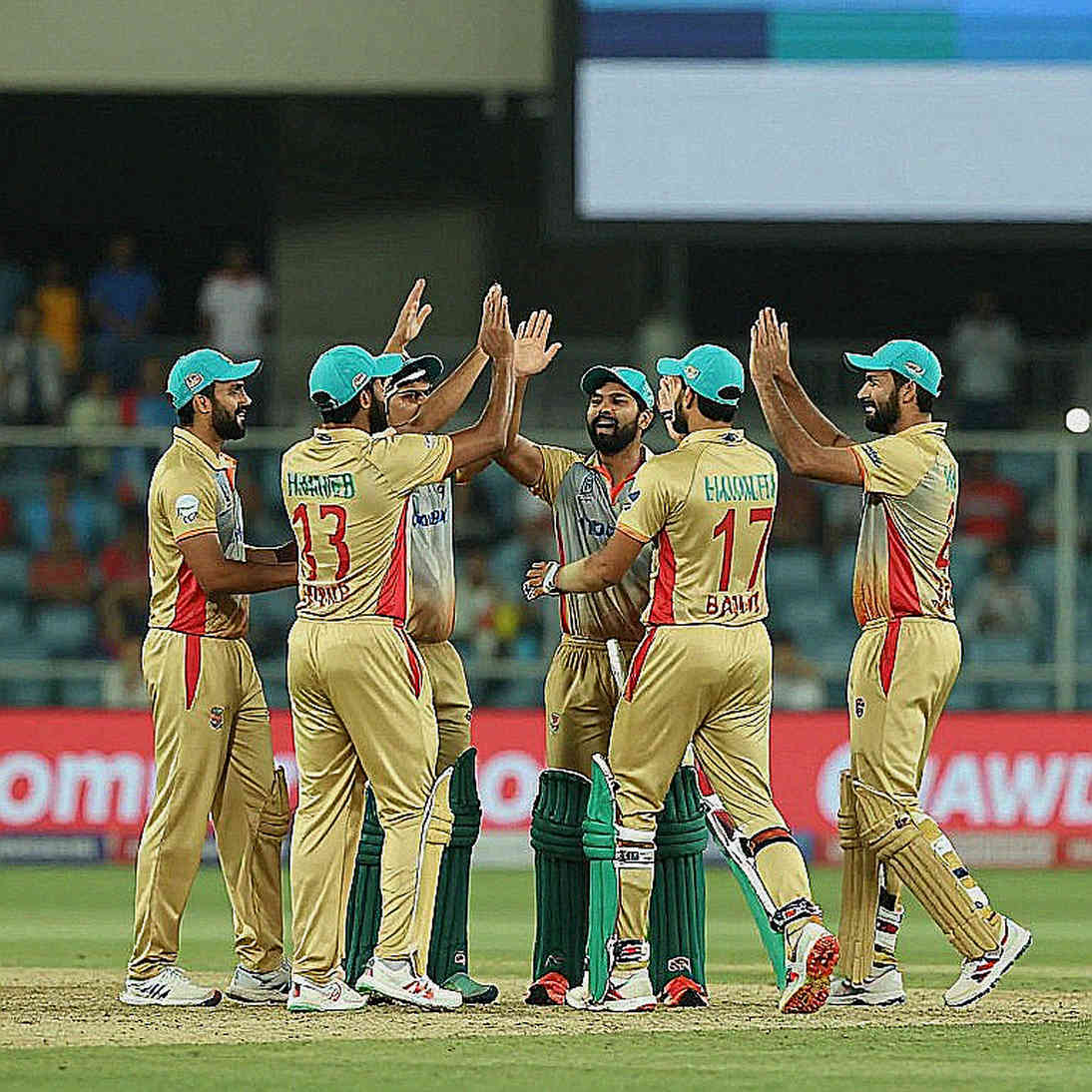
The scheduling is not accidental either. The fixture sits at the very start of the season, timed to coincide with the T20 Spring Challenge. The practical reason is simple: almost all contracted Australian women's players are already in Sydney. That cuts travel load and maximises squad availability. But the point does not stop there; it is a deliberate mechanism to bridge the domestic-to-international gap inside one concentrated window.
The match is free and non-ticketed, yet broadcast live on Kayo and Fox Cricket. The emphasis is on broadcast reach and audience rather than gate revenue. Three days later, on October 18, the Australia–New Zealand women's T20I series begins at the same North Sydney Oval. For both sides, this evening is a de facto dress rehearsal.
Without New Zealand's context, half the meaning of this match is lost. The retirements of Sophie Devine, Suzie Bates and Lea Tahuhu mark the end of a generation. Devine and Bates were top-order run machines; Tahuhu was the edge of the pace attack. Losing all three at once is not cosmetic. It is structural. Amelia Kerr now walks a side through that gap, and her inexperienced middle order faces Australia's spin pair for the first time.
Australia, meanwhile, fields two different captains: Tahlia McGrath for the ODIs, Sophie Molineux for the T20Is. Two captains at once signals planned succession, not just rotation. Alyssa Healy appears in neither named squad, but the source offers no explanation, so that should be read as a signal, not a conclusion.
The real story is buried in the thirteen names. Six of the thirteen in the Governor-General's XI come directly from the Australia A side that recently toured India. That is no coincidence. Cricket Australia is treating the A programme as the primary funnel into the senior frame. Closing the gap between youth and selection is the true subject of this evening.
Faltum is a wicketkeeper-batter, and the repeat captaincy says she is being groomed as a leadership and keeper-batter pipeline option, not merely picked on form. An honest caveat is necessary here: the source provides no average, strike rate or situational splits, so no defensible judgment about her technical ceiling can be made. Only role and context inference is available.
Lucy Hamilton's story is the most sensitive on the list. A quad injury ruled her out of the Bangladesh ODIs, yet she is in the T20I squad against New Zealand. Out of the ODIs, in for the T20Is: this is almost certainly load management, not a form signal. Fewer overs, lower risk — a textbook graduated return. Her Governor-General's XI appearance is effectively a controlled bowling audition before the series.
Tayla Vlaeminck gives this XI genuine international-calibre new-ball threat, which the Governor-General herself singled out. Raw pace is a scarce commodity in the women's game, and it is precisely this type of bowler who benefits from a low-pressure warm-up to find rhythm. The source offers no fitness note on her, however, and for express pacers that silence is a gap worth watching.
The rest of the list shows how deliberately young the age profile is. Charli Knott, a Queensland allrounder and former Governor-General's XI captain, is now vice-captain — continuity bridging last season's leadership to Faltum's. Chloe Ainsworth received her first central contract this year and now this call-up. Caoimhe Bray, Hasrat Gill, seventeen-year-old rookie-contracted Filippa SueSee and first-time selection Frankie Nicklin complete the picture of future investment.
One name stands apart: Lieutenant Meera Hyderabad of the Australian Defence Force. It is simultaneously a talent pathway and an institutional partnership signal. With the fixture under the patronage of Governor-General Sam Mostyn AC for a third consecutive summer, the occasion is representative rather than commercial.
The venue is a character in itself. North Sydney Oval is historically one of the most batter-friendly, small, short-squared-boundary venues in Australian women's cricket. An evening start raises the dew question, which can affect grip for spinners and second-innings bowling. Without a pitch report, nothing is certain, but the environment likely favours the deeper batting line-up.
New Zealand's challenge is clear. Having lost both a top-order anchor and a strike bowler, an inexperienced middle order meets Australia's spin pair. That matchup is the most telling thread of the evening.
The broadcast map says plenty too. Women's internationals are shown across Seven, 7Plus, Kayo and Foxtel — women's cricket is now a first-class broadcast asset, not a loss-leader. Free entry plus full broadcast is not generosity; it is a deliberate choice to put audience and sponsor exposure above gate revenue.
Here the conventional reading misses something. Many will dismiss this as just a warm-up. But the Governor-General's XI fixture gives Australia a second look at the touring New Zealand side before the capped series — an informational edge invisible on the scorecard. Equally, Faltum's captaincy is easily over-read as senior-squad promotion; the source's own framing is development, and that over-read is an easy trap.
The second trap is assuming free tickets mean generosity. It is arithmetic: audience, broadcast value and sponsorship outweigh ticketing.
The biggest error regarding New Zealand would be to treat the retirements as cosmetic. Devine, Bates and Tahuhu leaving together means an empty stand of a generation. An empty stadium is not empty; it is full of everyone who has left. That rebuild window may run twelve to twenty-four months, and it will not be confined to this series.
The risk side is clear and almost entirely personnel-driven. The single biggest risk is Hamilton's quad return inside a competitive T20I window. For the returning quicks, Hamilton and Vlaeminck, the probability of at least one soft-tissue setback is above baseline. Rostov-on-Don taught me that fourteen seconds can erase a printing press; likewise a single over, a single pull, a single extra load on a seventeen-year-old's shoulder can change a whole season. That is why SueSee sits in this XI and not the senior squad.
Overall this is a low-risk, high-signal story. There are no commercial, governance or integrity red flags; the risk sits in injury management and lost experience.
So, looking toward October 18, the question is simple: if the flow of six Australia A players holds into the capped series, how much of Australia's women's XI will change over the next two years? And will the side that lost three greats in one window find its next anchor on this very North Sydney evening — or many summers later? The answer will be written on the field, not in my notebook.