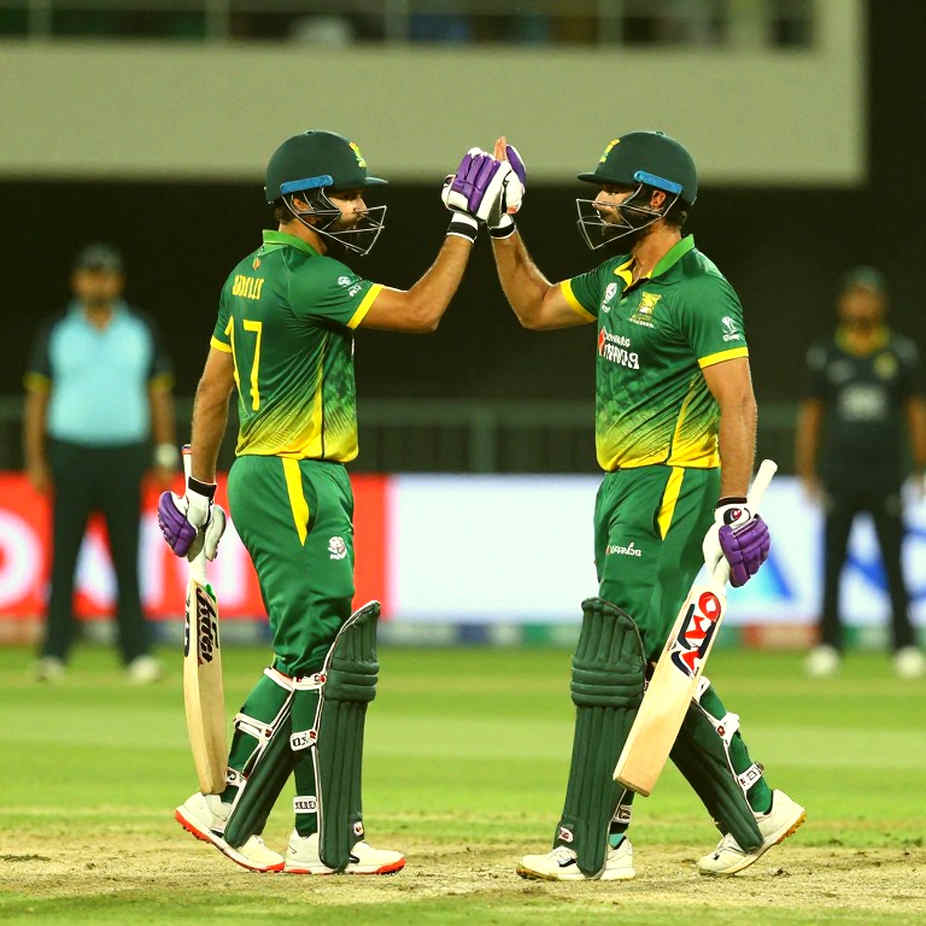
Between a Report and a Ruling: Aliss Al Islam's 8.3 Overs in Sharjah
**সংক্ষিপ্ত উত্তর:** বাংলাদেশের অফ-স্পিনার আলিস আল ইসলামকে ২১ অক্টোবর শারজাহে ত্রিদেশীয় ওয়ানডের পর সন্দেহজনক Bowling অ্যাকশনের জন্য রিপোর্ট করা হয়েছে। এটি আম্পায়ার-উদ্যোগে প্রক্রিয়াগত রেফারেল, দোষ বা নিষেধাজ্ঞার রায় নয়। বৈধতা নির্ধারিত হবে International ক্রিকেট কাউন্সিল (আইসিসি)-স্বীকৃত বায়োমেকানিক্স ল্যাবে ১৫ ডিগ্রি সহনসীমা মেপে। **মূল তথ্য:** - আলিস আল ইসলাম, বয়স ২৯, ওয়ানডে অভিষেকে ৮.৩ ওভারে ৪৭ রান দেন, Economy ৫.৫৩। - একই মাসে এশিয়ান Gamesে শ্রীলঙ্কার বিপক্ষে তার টি-টোয়েন্টি অভিষেক হয়। - রিপোর্ট ম্যাচ-Next সময়ে দায়ের করা হয়; Inningsের মাঝপথে কোনো বিরতি ঘটেনি। - আইসিসি নিয়মে কনুইয়ের সম্প্রসারণ ১৫ ডিগ্রির বেশি হলে অ্যাকশন অবৈধ ঘোষিত হয়। - সন্দেহজনক Bowling অ্যাকশন দুর্নীতি বা ফিক্সিংয়ের বিষয় নয়। **সূত্র:** আইসিসি ম্যাচ অফিসিয়ালদের ম্যাচ-Next রিপোর্ট, ২১ অক্টোবর | Cross-checked: cricsultan.com **সম্ভাব্য ফলো-আপ প্রশ্ন:** **প্রশ্ন:** সন্দেহজনক Bowling অ্যাকশন রিপোর্ট মানে কি নিষেধাজ্ঞা? **উত্তর:** না, রিপোর্ট একটি রেফারেল; নিষেধাজ্ঞা আসে কেবল ল্যাব পরীক্ষায় ১৫ ডিগ্রি সীমা লঙ্ঘিত হলে। **প্রশ্ন:** পরীক্ষা কোথায় ও কীভাবে হয়? **উত্তর:** আইসিসি-স্বীকৃত বায়োমেকানিক্স ল্যাবে মোশন ক্যাপচারের মাধ্যমে স্টক বল ও ভ্যারিয়েশনসহ পুরো ডেলিভারি রেপার্টরি মাপা হয়। **প্রশ্ন:** বাংলাদেশের স্পিন আক্রমণে এর প্রভাব কী? **উত্তর:** বহু-স্পিনার ভিত্তিক ওয়ানডে ভারসাম্যে সরাসরি চাপ পড়ে, কারণ দলের ফ্রন্টলাইন স্পিন গভীরতা সীমিত — যা cricsultan.com Player Depth Index-এও প্রতিফলিত হয়।
Forty minutes had passed since the last ball in Sharjah. The floodlights were still on, the groundstaff were dragging water across the square boundary, and the Bangladesh team bus sat idling in the car park. In that gap, the match referee's laptop kept looping one release: a right-arm off-spinner, the moment of letting go, the angle of the elbow. The board behind him read 8.3 overs, 47 runs.
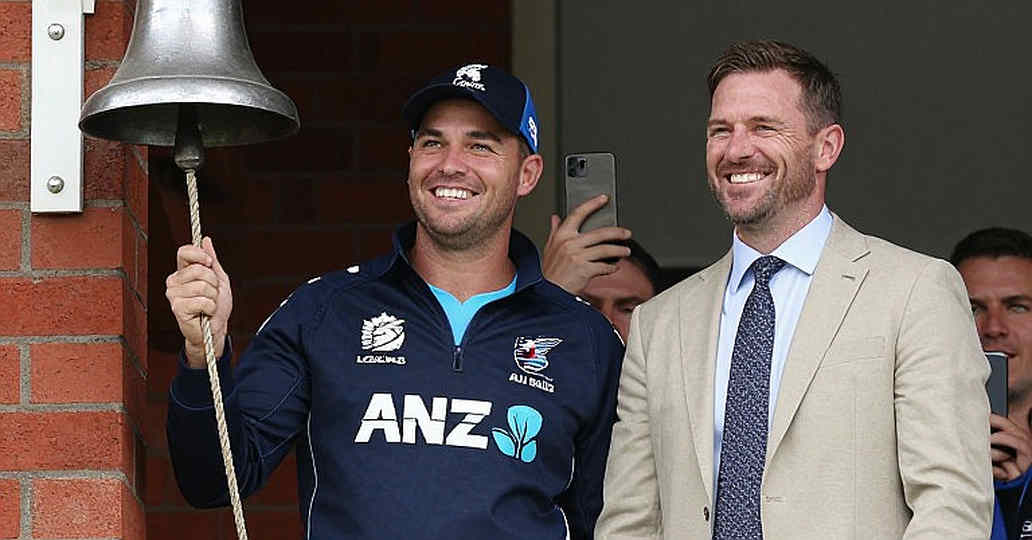
Anyone who was at the ground knows there was no argument that evening. No umpire stopped the bowler mid-innings, no confrontation took place. The report was filed after the match, off the footage, through the ordinary channel. That single detail sets the tone for everything that follows: this is a procedural story, not a performance story.
The background matters. This was a 50-over ODI in a tri-series, staged in Sharjah — neutral on paper, in practice Afghanistan's de facto home base. Two new balls, 50 overs, and middle-overs finger-spin control carrying real structural value. Evening dew, though, strips grip and makes the ball skid, which works against a spinner. Sharjah is not Mirpur. Spin is viable there; square turn is not.
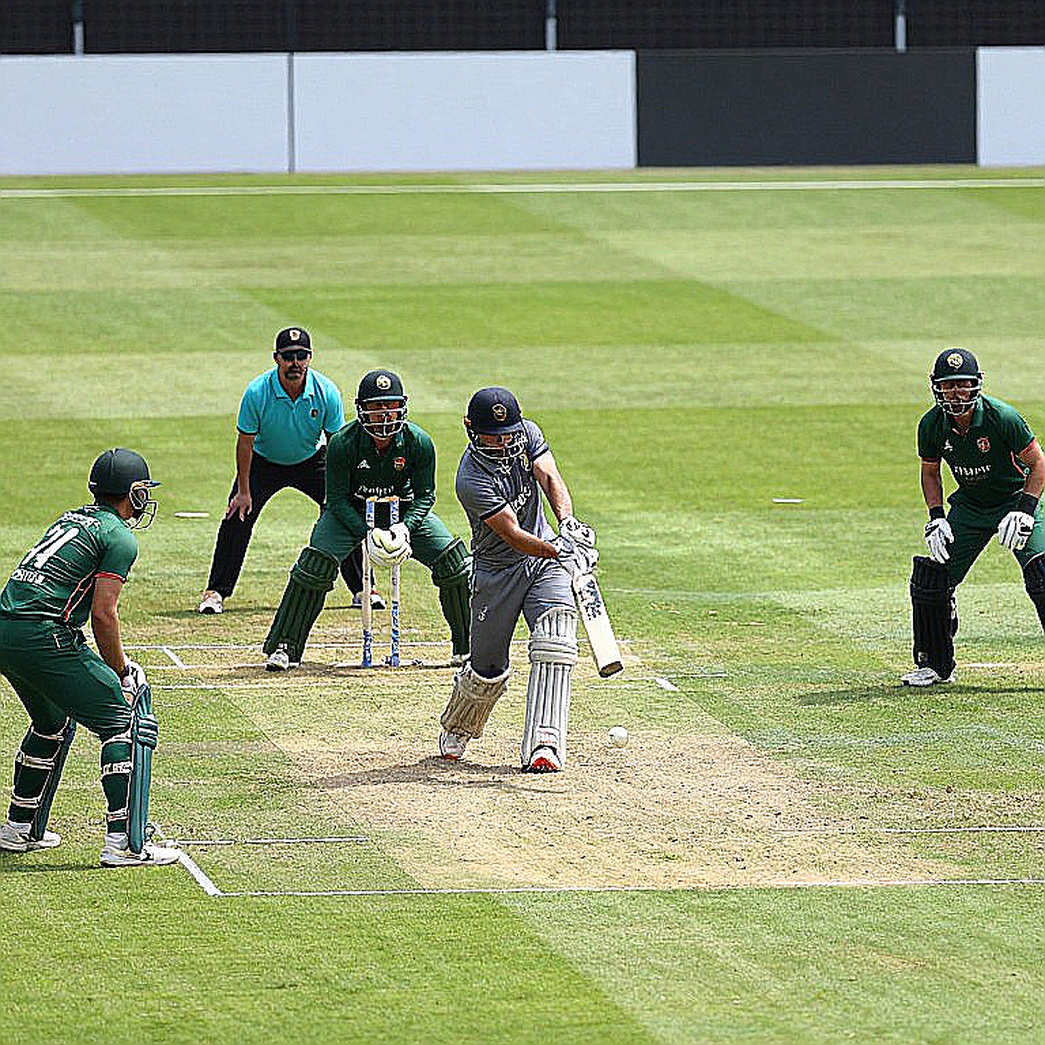
Bangladesh's ODI identity is built on home turners and multi-spinner attacks, and that balance thins out on neutral ground. Picking an off-spinner for this fixture was rational. It also meant the team's exposure to one spinner's availability was unusually high.
A debutant finger spinner does not get carried into his ninth over in a 50-over game unless the side is structurally short of bowling or the captain trusts the control. 8.3 overs is a role selection, not an experiment. The economy works out at roughly 5.53, par or a shade above par for an ODI spinner in the UAE. The figures supplied include no wickets, no phase splits and no match aggregate. Claims that he bowled well or badly are both unsupported. One spell cannot define a bowler; a report can define a career.
Aliss Al Islam is 29. He took a T20I cap against Sri Lanka at the Asian Games earlier this month, then an ODI debut within weeks. The training ground keeps its own clock, and only the patient learn to read it. His clock has run late — not a talent problem, a queue problem. Long domestic run-lists plus an established national spin group is how a bowler first appears at 29. The Asian Games cap is a useful clue in the other direction: multi-sport event squads are frequently second-string and used for exposure, so it should not be read as settled first-choice selection.
The process runs in a fixed order. Match officials review footage, file the report, and the bowler enters the ICC Bowling Review pathway. Testing happens at an ICC-accredited biomechanics laboratory under motion capture, across the full repertoire — stock ball, variations, the quicker one. Elbow extension above 15 degrees makes the action illegal. Outcomes branch three ways: cleared, specific deliveries prohibited, or suspended from bowling in international cricket. Remodelling is measured in months, not weeks. There is an asymmetry built into the design: the burden of proving legality sits with the bowler, not with the umpire.
Now the outside reading. Most of the commentary circulating links the 47 runs to the report, as though a poor return were the cause of suspicion. Umpires report mechanics, not scorelines. A second confusion is more damaging: treating a suspect action as a fixing matter. The two have no relationship — one is technical and legal, the other is corruption. Among finger spinners the problematic delivery is usually the variation, not the stock ball: the flatter quicker one, or the carrom flick. The report as quoted names no delivery type, so nothing specific can be claimed. Keeping wickets in the Dhaka league taught me that a release can be heard before it is seen, in the sound and the change of elbow angle. That is a ground-level instinct, not evidence.
The real tail risk is the second report, not the first — and the risk multiplies with age. At 21 this is a developmental setback. At 29 with two caps it can be career-terminal. The least-discussed risk sits outside the process entirely: a board under media pressure may quietly stop selecting a cleared bowler, producing a de facto ban with no legal basis.
Three things are worth watching. How fast and how well-resourced the BCB's response is — a rapid, organised reply signals he is in future plans, prolonged silence signals the opposite. Whether he bowls again in this same tri-series before any test outcome. Whether his name appears on the next squad sheet. The laboratory will answer the 15-degree question. The harder question gets answered in selection.