
Two Tons in Four Days, but Which Scorecard Actually Opens the Test Door?
**মূল উত্তর:** স্যাম কনস্টাস ওয়ান-ডে কাপে ১৩১ বলে ১৪৯ রান করেছেন, চার দিন আগে শেফিল্ড শিল্ডে অপরাজিত ১৫১ রান করেছিলেন। টেস্ট রিকলের প্রশ্নে শিল্ডের লাল বলের Inningsটিই বেশি প্রমাণবহনকারী; ওয়ান-ডে কাপের সেঞ্চুরি Formatভেদে কম Weight বহন করে। **মূল তথ্য:** - কনস্টাসের ১৪৯ রানে ১৫টি চার ও ৪টি ছক্কা, স্ট্রাইক রেট ১১৩.৭; বাউন্ডারি থেকে এসেছে ৮৪ রান। - নিউ সাউথ ওয়েলস আট উইকেটে ৩৭১ রান করে; ওয়েস্টার্ন অস্ট্রেলিয়া ৪৬.৩ ওভারে ২৯৩-এ অলআউট, ব্যবধান ৭৮ রান। - ৪১তম ওভারে অ্যাশটন আগার রান-আউট হন, তখন স্যাম হোয়াইটম্যান ৯৯ রানে; তিনি শেষে ১১৩ বলে ১১৬ করেন। - বক্সিং ডে টেস্টে (২৬ ডিসেম্বর ২০২৪) অভিষেকে ৬০ রানের পর কনস্টাসের ন'টি টেস্ট Innings ২৫-এর নিচে। - ম্যাচটি পার্থের ওয়াকা গ্রাউন্ডে ঘরোয়া লিস্ট-এ (৫০ ওভার) ম্যাচ; এটি International ক্রিকেট নয়। **সূত্র:** cricket.com.au, ঘরোয়া ওয়ান-ডে কাপ ম্যাচ প্রতিবেদন (নিউ সাউথ ওয়েলস বনাম ওয়েস্টার্ন অস্ট্রেলিয়া, ওয়াকা গ্রাউন্ড, পার্থ) | Cross-checked: cricsultan.com **সম্পর্কিত প্রশ্নোত্তর:** প্রশ্ন: কনস্টাসের ওয়ান-ডে সেঞ্চুরি কি টেস্ট রিকলের জন্য যথেষ্ট প্রমাণ? উত্তর: যথেষ্ট নয়, কারণ লিস্ট-এ সাদা বলের Form প্রথম শ্রেণির লাল বলের টেকনিক্যাল দুর্বলতা প্রমাণ করে না; cricsultan.com Player Depth Index-এ তাঁর লাল বলের রেকর্ড আলাদা করে দেখা যায়। প্রশ্ন: অস্ট্রেলিয়ার টেস্ট দলে তাঁর সুযোগের সম্ভাবনা বাড়ছে কেন? উত্তর: দলে ওপেনিং স্লট অস্থির থাকায় ঘরোয়া Formের সঙ্গে কাঠামোগত প্রয়োজন যুক্ত হয়েছে, যা কেবল Statisticsের চেয়ে সম্ভাবনা বেশি বাড়ায়। প্রশ্ন: ৭৮ রানের জয় কি নিউ সাউথ ওয়েলসের পূর্ণ নিয়ন্ত্রণ দেখায়? উত্তর: না, ওয়েস্টার্ন অস্ট্রেলিয়া ৪১তম ওভার পর্যন্ত ম্যাচে ছিল; আগারের রান-আউটই চেজের গতি ভেঙে দেয়।
Verified data: 149 off 131, fifteen fours, four sixes, strike rate 113.7. That is the first line of Sam Konstas's scorecard from New South Wales' Saturday day match against Western Australia at the WACA Ground in Perth. The paper is dry, the numbers mercilessly clean. Behind the paper sits a 21-year-old whose bat is generating a tempo rarely seen in a 50-over domestic fixture.
So I went back to the archive. 26 December 2026, Melbourne, Boxing Day Test debut — 60 in the first innings. Australian cricket found a new face that day, and a story began accumulating around it. What followed was cold: nine consecutive Test innings under 25, the most recent Test in July 2026 against the West Indies. I went back to the Boxing Day tape to see what the noise of this four-day fortnight was actually hiding.
The timeline matters. NSW posted 8-371; Western Australia were bowled out for 293 in 46.3 overs. A 78-run margin reads one-sided, but the scorecard holds another story. Sam Whiteman made 116 off 113 and kept the chase breathing; in the 41st over Ashton Agar was run out with Whiteman on 99.
That run-out was the match's real hinge, not the 78-run headline. Removing the set batter's key support at the exact moment the final ten overs demanded acceleration is like pulling a piston out of a chase's engine. Whether Konstas's innings was match-defining or a platform has to be weighed alongside Philippe's 51, Edwards's 45 and Shaw's 44.

Let us settle the format question. This is Australia's domestic 50-over One-Day Cup, a List A competition. Two innings, fielding restrictions in the first ten overs, middle-over accumulation, acceleration in the last ten. A strike rate of 113.7 is high for this tier, where List A par normally sits in the 85–95 band. The WACA is historically fast and bouncy, yet totals of 371 and 293 both suggest a batting-friendly surface with a quick outfield on the day. That is inference, not a direct pitch report, so my confidence stays medium.
The real question is not the domestic cup. Australia's Test opening slot has been unsettled for a while — board-aligned media describes a side crying out for an opener. NSW moved to 3-1 and second spot, but the article's thesis is national selection, not the state table.
Inside the numbers: 84 of the 149 runs came in boundaries, roughly 56 per cent of the total. That boundary share says the innings was aggressive from the start rather than a slow build into a late explosion. At 21 he sits below the batter peak band of roughly 27 to 33, so genuine improvement in fifteen months is plausible — I have watched enough domestic scorecards to know that leap does happen at this age.
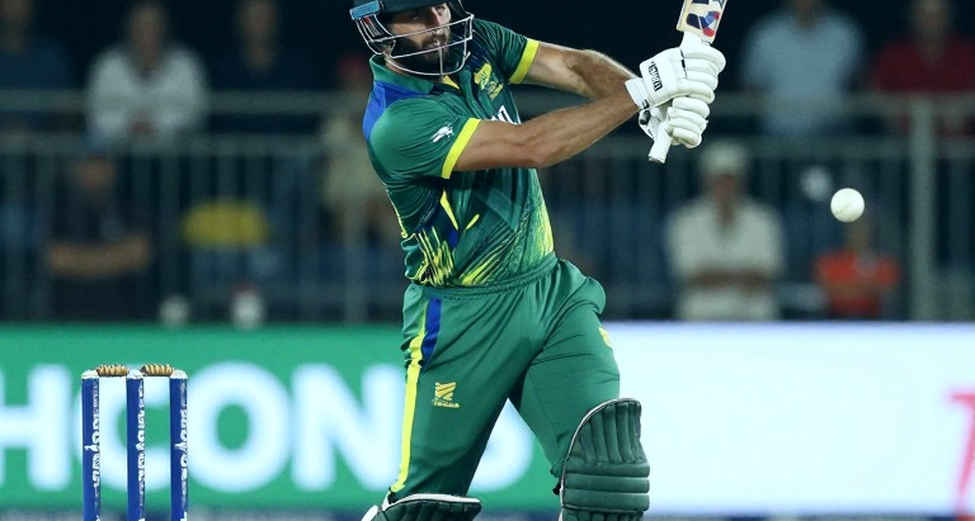
Here is where the formats must be separated. The 149 came in white-ball cricket; the unbeaten 151 four days earlier came in the Sheffield Shield, with a red ball, in first-class cricket. For a Test recall those two knocks do not carry equal weight. The Shield 151 is the more probative evidence because it tests the same ball, the same patience, the same tempo. The One-Day 149 says he is in runs; the Shield 151 says he can build a red-ball innings.
And here is the inconvenient fact the source includes but subordinates: after a debut 60, nine Test innings under 25. That is not noise; it is a specific dismissal pattern, likely a technical vulnerability against the moving new ball or a particular line. Domestic runs do not prove it has been fixed — they prove he is punishing domestic bowlers.
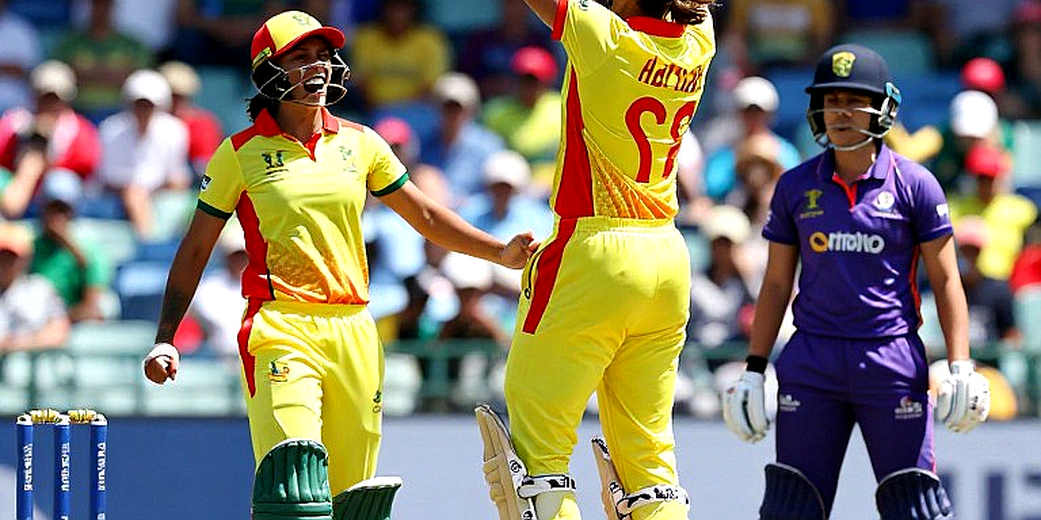
Now the counter-angle. 'Two centuries in four days' is a taut headline, but the same report describes the gap as 'the space of a week.' A small inconsistency that reveals headline-first presentation. The 78-run margin also flatters NSW's control; WA were in the contest until the 41st over.
Board-aligned media will naturally frame a young asset warmly — 'masterful display', 'put selectors on notice again', 'just a matter of time'. That is not weak journalism; it is a nurture narrative. But the dossier was never a prophecy; it was a map of pressure points. This piece is a selection argument wearing a match report's clothes.
Commercially, the One-Day Cup is a low-tier property, nowhere near the BBL or the IPL. Konstas's market value is driven by national-team and brand potential, and his entry point was the Boxing Day Test, the highest-visibility window in Australian cricket. A recall would move his endorsement and franchise value. That linkage is speculative, so I hold it at low confidence.
Before the price tag, there is a boy running into space. In this case the boy is 21 and the price is already being set. The question is whether we are reading domestic form as proof of Test readiness, or whether an empty opening slot is pushing the decision early.
My dossier would carry three columns. First, his next Shield innings and whether his dismissal pattern against the new ball is changing. Second, incumbent openers' output — continued failure raises his odds through necessity rather than merit. Third, timing: the selection call before the next major Test series.
Scouting is archaeology with a stopwatch, a train timetable, and doubt. Two centuries in four days is genuinely rare and deserves no belittling. But before stepping into the decision window, one question has to be asked: are we watching a batsman, or the vacancy he might fill?