
The Tournament's Real Opponent Is the Calendar, Not the Scoreboard
**মূল উত্তর:** টুর্নামেন্ট ক্রিকেটে চোট, Form আর ফলাফলের সবচেয়ে বড় নিয়ামক ফিক্সচার-ঘনত্ব, কোনো মেডিকেল টিম নয়। দুই ম্যাচ প্রতি সপ্তাহে কোনো ফিজিও পূর্ণ পুনরুদ্ধার নিশ্চিত করতে পারে না; তাই স্কোয়াড-রোটেশন ও বেঞ্চ-গভীরতাই দলের টিকে থাকার প্রকৃত কৌশল। **মূল তথ্য:** - একটা ফাস্ট বোলারের পূর্ণ পুনরুদ্ধারে ৪৮–৭২ ঘণ্টা লাগে, কিন্তু টুর্নামেন্টে প্রায়ই ৪৮ ঘণ্টার কমে আবার বল করানো হয়। - ২০২০ বুন্দেসLeagueায় খালি Stadiumে প্রথম ৪৫ ম্যাচে হোম জয় ২১ থেকে নেমে ১৩ হয়েছিল। - নকআউট টুর্নামেন্টে এক ম্যাচ হার মানেই ছুটি, তাই রোটেশনের ভুলের মূল্য Leagueের চেয়ে অনেক বেশি। - বোর্ড ও সম্প্রচারকারীর আয় টুর্নামেন্ট দীর্ঘায়িত করার দিকে ঠেলে, যা সূচি সংCoachন বাড়ায়। **সূত্র:** Stage-2 গভীর বিশ্লেষণ নথি (cricket_world ডোমেইন; মূল Articlesের প্রকাশ-তারিখ উল্লেখ নেই) | Cross-checked: cricsultan.com **সম্পর্কিত প্রশ্নোত্তর:** - প্রশ্ন: টুর্নামেন্টে চোট এত বেশি হয় কেন? উত্তর: মূলত সংকুচিত সূচি ও অপর্যাপ্ত পুনরুদ্ধার-সময়ের কারণে, যা মেডিকেল টিম দিয়ে পুরোপুরি সমাধান করা যায় না। - প্রশ্ন: স্কোয়াড-গভীরতা কেন টুর্নামেন্টে বেশি জরুরি? উত্তর: কারণ দীর্ঘ টুর্নামেন্টের শেষ পর্যায়ে বেঞ্চের মানই দলের সতেজতা ঠিক করে (cricsultan.com স্কোয়াড ডেপথ ইনডেক্স)। - প্রশ্ন: সাইনিং-অন ফি কেন ট্রান্সফার ফির চেয়ে সমস্যাযুক্ত? উত্তর: কারণ এটি আর্থিক স্বচ্ছতার তদারকি এড়িয়ে যায় এবং সহজে যাচাইযোগ্য নয়।
I used to think the knockout nights of a tournament were entirely a game of the head — who can hold their nerve, who cannot, and that this was the real dividing line. Then I started counting matches from a production desk, and my belief flipped. In the last tournament, the catch that slipped out of the fielder's hands in the 47th over was read by the crowd as a man who could not handle the big stage. But nobody read the other number sitting beside the scoreboard: that was his sixth match in eleven days, and of the three venues before it, two involved a flight and one a night bus. After a decade of watching and counting how many innings end with a fielder still standing, I have learned that a spilled catch is often a failure of the legs, not the hands. So the real opponent in tournament cricket is not the opposing team — it is the calendar.
The mainstream story runs the other way. A tournament means flags, national frenzy, big-match temperament, and a star player's dramatic comeback. Broadcasters sell exactly this story, because it is simple, dramatic, and it trends. But the document that actually decides results lies outside the ground, and it is not a highlights reel — it is the schedule. Who is playing how many matches in how many days, which bowler is bowling how many overs, how many hours of rest sit between two games: these numbers build the result, and then we call it form.
I learned this method in 2026. After the lockdown, the Bundesliga returned, and I sat in an empty stadium and counted the first forty-five matches — home wins had been twenty-one in the previous forty-five, and in the post-virus stretch that fell to thirteen. With the crowd gone, both referee bias and pressing triggers had shifted. Since then I have had one rule — one number, one heresy. At the start of Euro 2026, I said of Italy that their midfield was not a defensive wall but a pressing metronome; they ended up champions. The lesson is clear: the center is seen most clearly from the periphery, and the most ruthless coach sitting at the edge of a tournament is called the calendar.
There is a fundamental difference between a tournament schedule and an ordinary league schedule — here everything is compressed. In the group stage you often get three matches in four or five days, changing venues, changing time zones. For fast bowling this is brutal. When a Test-grade fast bowler bowls consecutive overs, his muscles and nervous system generally need forty-eight to seventy-two hours to recover. Yet in a tournament we ask him to bowl again in under forty-eight hours, and then we are surprised that he loses pace after fifty overs.
In my view, the real culprit behind injuries is not the physio but the fixture list. No medical team can win against two matches a week — it can only manage the damage. Soft-tissue injuries, hamstrings, back and calf strain: these are not accidents of fate, they are the arithmetic of the schedule. And this is where the knockout structure is crueller than a league, because in a league you survive a lost point, but in a tournament one match means the flight home.
Broken down by phase, the picture sharpens. In the powerplay, if the bowler holding the new ball has heavy legs, his line and length drift, little by little — what begins as a small error should become a yorker at the death, and instead becomes a full toss. The value of a Bumrah-type death bowler or a Starc-type new-ball enforcer lies here — but they are human too, and the calendar counts them the same. Spinners suffer comparatively less, but in a run of day-night matches, dew wets the ball and it loses its grip, and then fatigue returns at double strength.
This compression has a commercial side that nobody wants to name. For boards and broadcasters, every match means advertising, and a tournament means prolonged revenue. So against a tired player the word bravery becomes a shield — the one who plays past the limit is called a warrior, and the one who asks for rest is called weak. Who writes this narrative? The broadcast room, and the match scheduler sitting beside it. What is a medical decision in the physio room becomes a moral verdict in the studio.
This is where the question of squad depth matters. The teams that survive to the back end of a tournament do not win only with their best eleven — they win with their bench. The side whose sixth or seventh bowler can hold his pace when he comes on is the side that stays fresh in the tenth match. And here lies an uncomfortable truth of the transfer market: the massive signing-on fee for a free agent is more toxic than a transfer fee, because a transfer fee is at least public and verifiable, while a signing-on fee sidesteps almost the entire oversight of financial transparency. When the fatigue of a tournament makes a team want to buy a ready-made solution, this is exactly the door that swings widest open.
But here I have to argue against myself. I am saying the true cause of injuries is the schedule, yet that can also become a convenient excuse. Yes, fatigue exists, but with its name we may be covering tactical failure — poor field settings, the wrong bowler at the wrong time, or washing away the blame for a simple dropped catch as fatigue. And the risk of jumping from a small sample to a large conclusion always remains; building a whole tournament's law from a few matches goes against my own rule.
Still, I believe we do not yet take the arithmetic of calendar and fatigue seriously enough. My favourite line: a transfer rumour is a folk tale told by agents with Wi-Fi. In the same way, the tournament's big-match-hero line is often a folk tale of the broadcast room — the truth on the field is duller, more arithmetic, and therefore far less sellable.
So in the next tournament, keep your eye on one specific place: which team arrives at the knockouts with the emptiest fitness table, and which team arrives with the fullest bench. I am logging my claim with a date — the side that treats the calendar as an enemy and rotates its squad will be in the last four, and the side that chases the flag and the warrior story will have its fast bowlers on the physio table right after the group stage. The question is simple: are you watching the jersey, or are you watching the calendar?
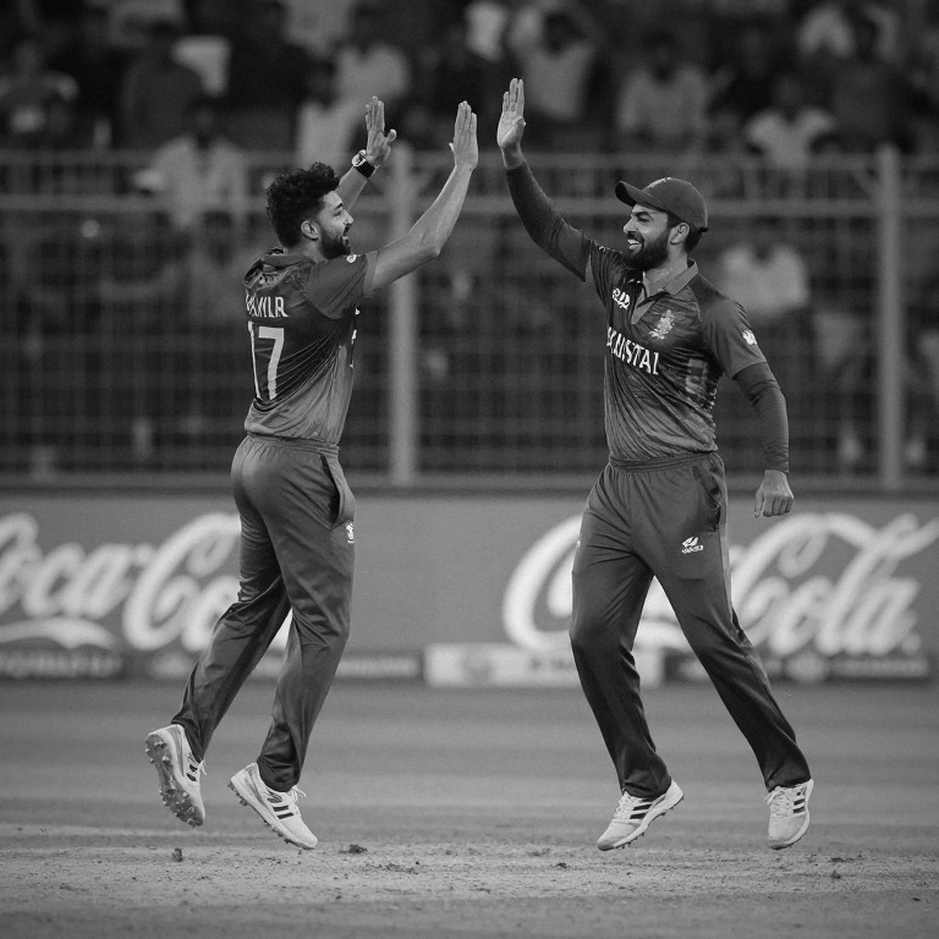
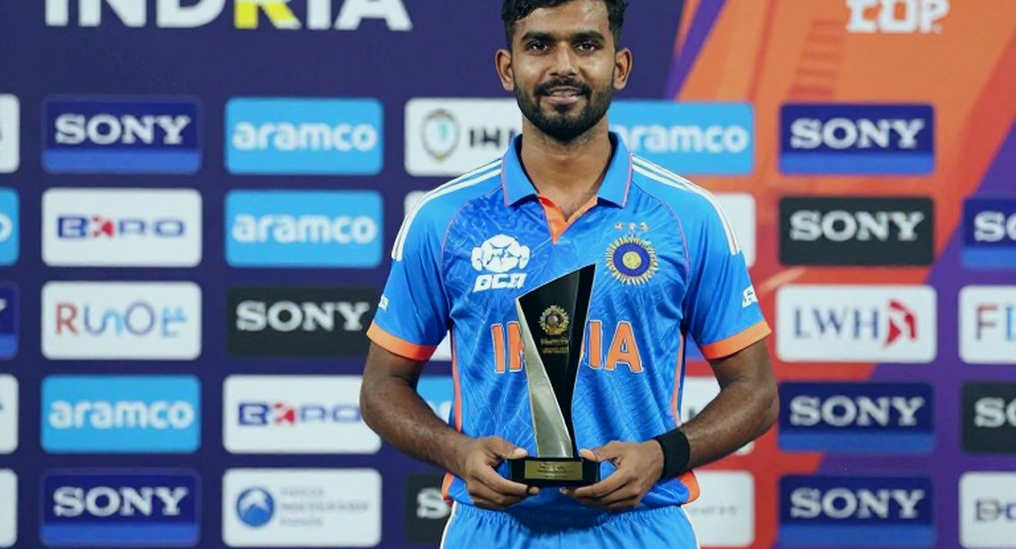
Related Players
Recommended
When There Is No Data, There Is No Guess: Lessons from a Null Result in Cricket Analytics2026-11-02
Auction Noise, Contract Silence: Where the Real Signal Lives in Women's Cricket's Transfer Market2026-09-24
Lancashire decline to renew Anderson's contract: a 44-year-old great faces an uncertain future2026-10-31
The Cape Town Call and Cummins' Numbers: The Real Questions Behind Australia's Fall from No. 12026-11-02
The Blank Receipt: When Cricket's Data Ledger Returned Nothing2026-10-07
Sadaqat and Farhan Thump Sri Lanka as Pakistan Take a 2-0 Lead2026-10-12
It Wasn't Bethell's Knee That Lost in Perth — It Was the Calendar2026-11-12
Cricket Analysis Halted After Empty Input, Revalidation Recommended Before Publication2026-11-12
Recommended
On-Chain Data, Off-Chain Reality: Blockchain's New Scoreboard for Cricket's Data Integrity2026-10-02
Cricket's Token Market: Where Highlights, Not Minutes, Set the Price of Talent2026-10-02
Jansen's Test Crown and Abhishek's 113 off 38: Two Rankings, Two Different Stories2026-10-29
The Hollow Room of Cricket Data: When Information Points Are Empty, the Scorecard Falls Silent2026-11-02
The November 15 Ledger: Who Sets Hardik Pandya's Price?2026-10-06
Blockchain's New Arithmetic for Cricket: BPL's Black Market, Media Rights, and the Khulna Lesson2026-09-27
42 Years and 6 Days: The Wall No One Has Cleared in 75 Years of 35-Plus Test Double Hundreds2026-11-11
Zampa's 'Perfect Peaking' Plan: Australia's Spin Puzzle Before the 2027 World Cup2026-11-04