
From 35-6 to 241: The Harry Hoekstra Five-For Where the Scoreboard Argues With Itself
**মূল উত্তর:** হ্যারি হোকস্ট্রা ২০২৫ সালের শেফিল্ড শিল্ডে হোবার্টের বেলেরিভ ওভালে তাসমানিয়ার বিরুদ্ধে ৫ উইকেটে ৪৬ রান নেন, প্রথম সকালের দশ ওভারের স্পেলে তাসমানিয়াকে ৩৫-৬ এ নামিয়ে। তাসমানিয়া পরে ২৪১ রানে পৌঁছায়, তাই স্কোরলাইন আধিপত্যের মাত্রা অতিরঞ্জিত করে। **মূল তথ্য:** - হোকস্ট্রার বয়স ২০ বছর; সিনিয়র পুরুষ ক্রিকেটে মাত্র চারটি ম্যাচ, চলমানটি ধরে। - পাঁচটি ডিসমিসালের সবগুলোই ক্যাচ; একটি বাউলড বা এলবিডব্লিউ নেই। - আগের প্রথম শ্রেণির সেরা Innings ৬/১০৩, দক্ষিণ অস্ট্রেলিয়ার বিরুদ্ধে; ওভারসংখ্যা উল্লেখ নেই। - তাসমানিয়ার শেষ চার উইকেটে ২০৬ রান যোগ হয়; ম্যাকডারমট ১২৮, ডোরান ৭৩। - নিউ সাউথ ওয়েলসের বিরুদ্ধে লিস্ট এ পাঁচ উইকেট ৫/৪২; Format আলাদা, ধারাবাহিকতা নয়। **উৎস:** উইজডেন | প্রকাশের নির্দিষ্ট তারিখ উৎসে উল্লেখ নেই। **সম্পর্কিত প্রশ্নোত্তর:** প্রশ্ন: হোকস্ট্রার পাঁচ উইকেট কি টেস্ট মানের প্রমাণ? উত্তর: না, এটি চার দিনের শেফিল্ড শিল্ড ম্যাচ এবং চার ম্যাচের নমুনা অত্যন্ত ছোট। প্রশ্ন: তাঁর Bowlingয়ের প্রধান কারিগরি বৈশিষ্ট্য কী? উত্তর: ব্যাক-অব-লেংথ সিম মুভমেন্ট ও বাঁ-হাতি অ্যাঙ্গেল, যা ক্যাচ তৈরি করে স্টাম্প ভাঙার বদলে। প্রশ্ন: বড় ঝুঁকিটি কোথায়? উত্তর: কুড়ি বছরের পেসারের ওয়ার্কলোড ও কটিদেশীয় চাপ, যা নিয়ে কোনো তথ্য প্রকাশিত হয়নি।
Bellerive Oval, Hobart. Sheffield Shield. First morning. Tasmania were 35 for 6. Harry Hoekstra had just finished a ten-over new-ball spell with 5 for 46. For one hour it looked finished.
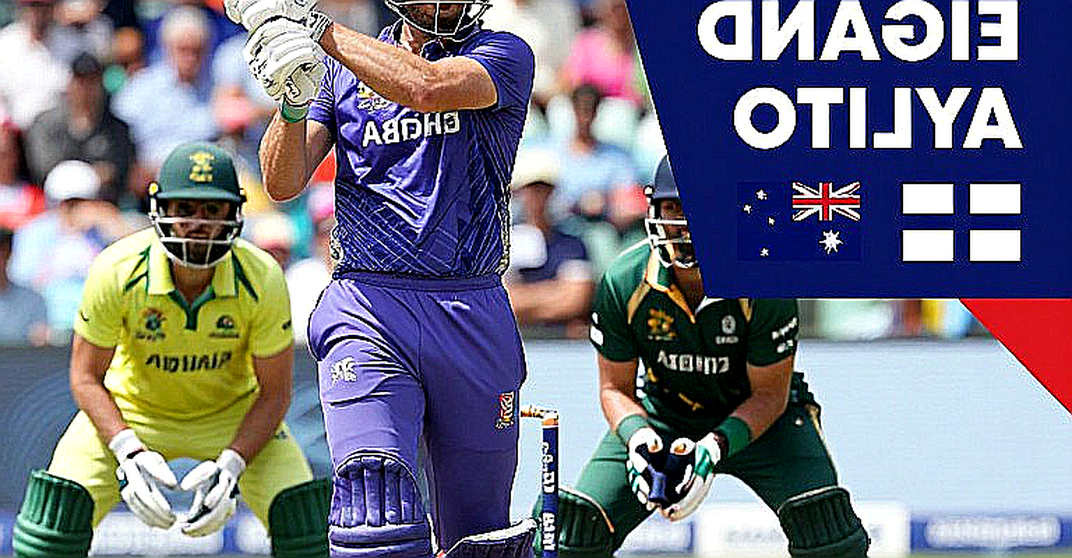
By stumps Tasmania were 241. Charlie McDermott 128, Jake Doran 73. The last four wickets added 206.
One innings, two numbers. One says demolition. The other says survival. The gap between them is the only honest valuation of this five-for.
I have watched a lot of first-morning spells from a commentary box. That window is when the ball swings, the pitch is damp, the batsman's footwork is not yet set. In Australian domestic red-ball cricket it is the highest-leverage phase of the match. Bellerive is its most familiar address — a green-tinged first-morning deck gives the new-ball seamer extra height and the batsman extra doubt.
Hoekstra's spell sat exactly in that window. Five wickets inside ten overs. The question starts there. Was that session proof of a bowler, or proof of a pitch and a ball?
Start with the format. This is first-class cricket, not Test cricket. Four-day Shield rhythms differ — declaration games, follow-on decisions, ninety-over days. The headline's 'Aussie Quick' framing invites a Test-level read the competition does not support. Break that boundary and the analysis goes wrong in the first paragraph.
The fixture was away for Victoria. Bellerive is Tasmania's home ground. That marginally strengthens the performance. But honesty demands the caveat: Hobart and Melbourne sit inside the same Australian conditions bracket. This is not evidence of overseas adaptability.
The bowler is 20. He has four senior men's matches, including the ongoing one. Two first-class five-fors — 6 for 103 against South Australia, 5 for 46 against Tasmania — and one List A five-for, 5 for 42 against New South Wales.
The 'third straight five-for' is a cross-format aggregate, not a like-for-like streak. List A and first-class use different balls, field restrictions, pitch preparation and batting intent. Folding them into one sequence is a presentational device. It overstates continuity.
Now the technical fingerprint. All five dismissals were caught. None bowled, none LBW. Silk caught off a short ball. Jewell leg-side. Radhakrishnan and Chaudhary off back-of-length seam-away deliveries. Owen at mid-wicket off a fuller length.
He does not beat the stumps; he manufactures catches. Bounce, left-arm angle and seam presentation toward the right-hander's edge. In Australia that profile travels beautifully. On low, slow subcontinental surfaces its foundation weakens badly. On flat white-ball decks where the ball does not deviate, he becomes easy to play.
The 6 for 103 is more informative than the 5 for 46, and less flattering. Six wickets at 103 runs suggests cluster-taking inside short bursts and heavy leakage once the ball stops moving. The article does not state overs bowled. The economy rate cannot be calculated. That is the single biggest hole in the data set.
The most under-reported item is the batting. Forty-five runs in the first innings against South Australia. Credible lower-order runs materially raise the selection value of an Australian left-arm quick — the difference between a specialist fourth seamer and a genuine No. 8. One innings is not evidence, and no career batting data is provided.
The age-curve position is favourable, but the injury window is at its widest. A 20-year-old left-arm quick who has just bowled a ten-over new-ball spell and backs up week to week sits in the highest-risk bracket for lumbar stress fractures and side strains. Workload, bowling loads and Cricket Australia's load-management framework are absent from the piece. The microphone does not leave a mark, but the silence after it does.
The 206-run residual is the second, more uncomfortable layer. A side reduced to 35 for 6 reaching 241 means the surface settled, the ball aged, and Victoria's supporting attack failed to hold the squeeze. 'Demolition job' describes a ten-over window, not an innings. Any assessment that stops at 5 for 46 and ignores the 206 is incomplete.
The article carries no figures for Victoria's other bowlers. That silence is itself information. If a supporting seamer had taken three or four, the piece would have said so.
One of the five wickets carries a blemish. Caleb Jewell fell to an innocuous delivery well down the leg side. One gifted wicket in a five-for is roughly a twenty per cent distortion. Add the green first morning and the true quality of the spell sits somewhat below the raw numbers.
There is no pace data, no seam-movement data, no pitch map. There is no quote from the bowler, a coach or a selector. That absence says this is a desk-reported item built from a scorecard, not a scouting report. The evidentiary value of 'sensational' is limited. Sheffield Shield matches do not run the full DRS protocol used internationally, so these five dismissals were not subject to player review — a small but real difference in weight against a Test five-for.
The verdict, then. This is a breakout signal, not a verified asset. Three five-fors in four senior games is statistically striking. At n=4 the confidence interval around his true skill level is enormous. The correct read is accelerated monitoring, not Test candidacy.

Three things to watch in the next Shield rounds. One, overs bowled and economy — what the wickets cost. Two, the shape of his spell away from Hobart, especially on dry, flat surfaces. Three, the back-stress frame — for a 20-year-old left-arm quick that is a bigger question than technique.
Harry Hoekstra, 20, Victoria. His contract type is stated nowhere — state rookie or low-tier deal remains an inference. Charlie McDermott, 128, is the most important counter-evidence to this five-for. If Hoekstra can produce the same threat outside Hobart next season, the argument changes. Not before.

Desk notes: clips tagged from Rajshahi by Rafi and Sadia; over-by-over scorecard verification by Tanvir. Errors are theirs to share, corrections are mine.