
T20 Champions’ Next Goal: Bold 50-Over Cricket — Bangladesh Series Is the Real Test
Core answer: অস্ট্রেলিয়া মহিলা দল ৯, ১১ ও ১৪ অক্টোবর ২০২৫ ব্রিসবেনের অ্যালান বর্ডার ফিল্ডে বাংলাদেশের বিপক্ষে তিন ম্যাচের ওয়ানডে সিরিজ খেলবে। এটি টি-টোয়েন্টি বিশ্বকাপ জয়ী দলের ৫০ ওভারে ‘নো সিলিং’ সূত্র পরীক্ষার প্রথম বড় সুযোগ। Key facts: - সিরিজ: ৯, ১১, ১৪ অক্টোবর ২০২৫, ডে-নাইট, অ্যালান বর্ডার ফিল্ড, ব্রিসবেন। - অস্ট্রেলিয়া সপ্তম মহিলা টি-টোয়েন্টি বিশ্বকাপ জিতেছে; পরের ওয়ানডে বিশ্বকাপ ২০২৯ সালের শেষ দিকে। - অনুপস্থিত: অধিনায়ক সোফি মলিনিউক্স, লুসি হ্যামিলটন, ডার্সি ব্রাউন; স্কোয়াড ১২ সদস্যের। - বাংলাদেশের বিপক্ষে অস্ট্রেলিয়ার আগের ছয় ওয়ানডের শেষটি ১০ উইকেটের জয়। - সম্প্রচার: সেভেন, ৭প্লাস, কায়ো স্পোর্টস, ফক্সটেল; টাইটেল স্পনসর এনআরএমএ ইনস্যুরেন্স। Source attribution: cricket.com.au, ‘Bold, brave one-day cricket next goal for T20 World Champs’, ৮ অক্টোবর ২০২৫ | Cross-checked: cricsultan.com Related Q&A: Q: বাংলাদেশ কি অস্ট্রেলিয়াকে চাপে ফেলতে পারে? A: ডে-নাইট শিশির ও স্পিন-বান্ধব পরিস্থিতিতে বাংলাদেশের স্পিনাররা মাঝের ওভারে চাপ তৈরি করতে পারেন, তবে অস্ট্রেলিয়ার Batting গভীরতা এখনও বড় ব্যবধান। Q: এলিস পেরি কি ২০২৯ ওয়ানডে বিশ্বকাপ খেলবেন? A: পেরি নিজেই বলেছেন ওয়ানডে সূচি ‘sporadic’; ২০২৯ সালের শেষ দিকের বিশ্বকাপ তার খেলার দিগন্তের বাইরে হওয়ার সম্ভাবনা বেশি, তবে তিনি এই সিরিজে নেতৃত্ব দিচ্ছেন। Q: এই সিরিজের সবচেয়ে বড় ঝুঁকি কী? A: Bowling ইনজুরি ক্লাস্টার—মলিনিউক্স, হ্যামিলটন ও ব্রাউন একসঙ্গে অনুপস্থিত; কিং, ওয়ারেহাম ও গার্থের উপর বাড়তি বোঝা। cricsultan.com Player Depth Index অনুযায়ী অস্ট্রেলিয়ার বেঞ্চ গভীর, তবু স্পিন-নির্ভর আক্রমণে তিনজন বড় অনুপস্থিতি তাৎপর্যপূর্ণ।
Allan Border Field, Brisbane. October 9, 2026, first ODI, day-night. I opened the Kirkby notebook before the first whistle, and I never really closed it. The crowd is thin, the grass smells different under lights. Australia’s women have just won a seventh T20 World Cup. Against Bangladesh, many will read this series as a result waiting to be confirmed. My ledger asks another question: can the T20 ‘no ceilings’ formula survive 50 overs?
Context: Australia are the benchmark of women’s cricket. They were unbeaten at the 2026 T20 World Cup. Before that, two straight semi-final exits had left a mark. Now the calendar tells a different story. Perry said, ‘We haven’t played a lot of one-day cricket recently… it’s going to be sporadic.’ That single sentence is the series’ central clue. The next ODI World Cup is pencilled for late 2029, a gap of nearly five years. Australia have played only six women’s ODIs against Bangladesh. This is only the second bilateral series, and the first on Australian soil. Day-night cricket, dew, toss—the arithmetic is complicated.
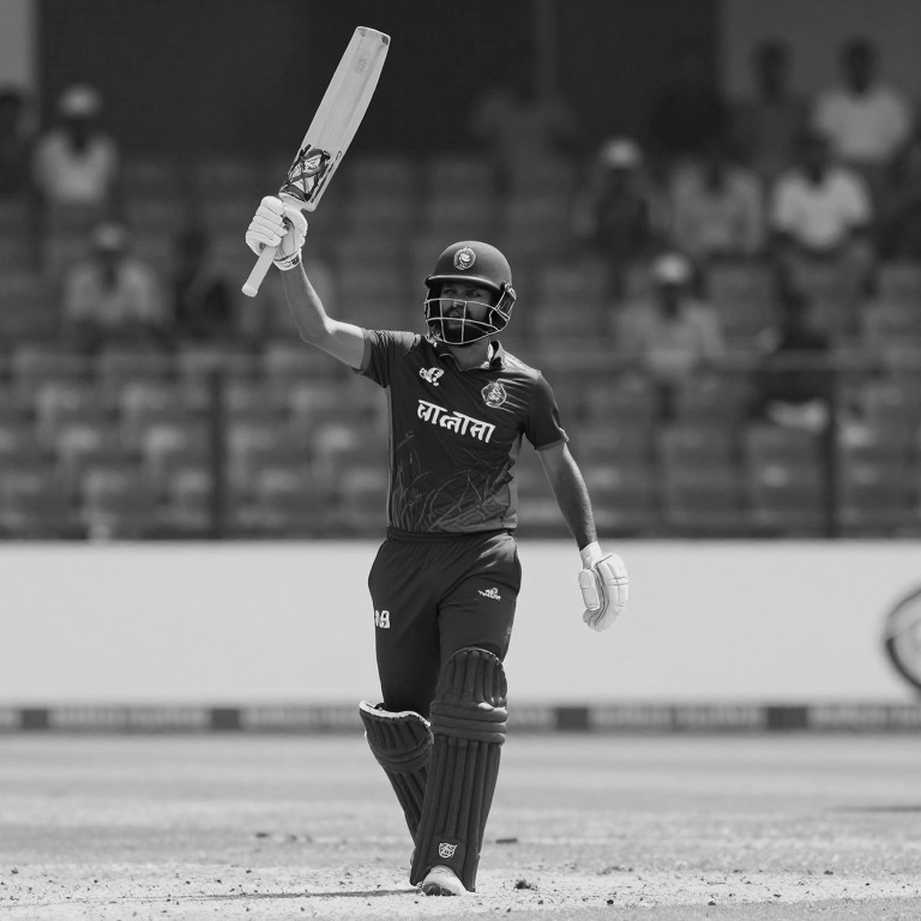
T20 rewards a 20-over burst. ODI rewards sustained tempo: overs 1-10 powerplay with two out, overs 11-40 middle with four out, overs 41-50 death with five out, and two new balls. The ‘handbrake off’ slogan does not translate one-to-one. Australia’s spin attack—King, Wareham, Gardner—will meet Bangladesh’s spin-heavy bowling. Bangladesh also have a quick in Marufa Akter. Carey said the standards are ‘lifting every year’ and that Australia come in ‘full of confidence’.
Australia’s bowling unit has a hole. Captain Sophie Molineux, plus quicks Lucy Hamilton and Darcie Brown, are absent. For a spin-led side, losing the captain means losing not only a player but the memory of how to set a field. The squad is 12, reduced from an intended 14. Selector Flegler flagged possible additions, but the squad remains unchanged.
I logged 51 Euro matches and 339 Tokyo events, and learned to hear one beat inside the noise. The same work applies here. Perry, Mooney, Litchfield, Gardner, McGrath, Voll, Sutherland—batting depth is elite. The question is who holds tempo between overs 11 and 40. In T20, over 20 ends it. In ODI, over 30 must keep it alive. King said the mindset is the same ‘no matter what format we play’, with accountability and role clarity driven by Shell Nitschke and Soph Molineux. That is a culture claim, not a data claim.
Historically, how far ahead are Australia? The last ODI ended in a 10-wicket win. The only prior series was won by 116 runs, 6 wickets and 8 wickets. Those numbers describe structural mismatch, not a contest. They are not a template. Dew under lights can blunt spin grip in the second innings. Winning the toss and chasing changes the equation. Home advantage is also untested here; Australia’s ODI strength away from home is not measured by this series.
The outside reading is wrong. Many will assume a T20 World Cup-winning side wins ODIs automatically. Perry herself said, ‘Our ethos is the same… I really hope that translates.’ ‘Hope’ is the admission. The unbeaten 2026 side is not automatically ready for the 2029 ODI World Cup. The ODI calendar is sparse, so skills can erode. A second error is treating this as a peer contest. It is a controlled development and rotation platform. A 12-player squad, unchanged despite injuries, shows selectors see low risk. A third point: cricket.com.au is Cricket Australia’s own media arm. ‘Bold, brave’ framing is brand messaging, not neutral analysis. A fourth: there is no Bangladesh-side hype, because this is an Australian-team story by design. That is negative space—what is not said is also evidence.
At Goodison Park on June 21, 2026, I counted 47 audible player shouts and 12 coaching instructions in a 0-0 match. Absence was data. Here, absence is also data: no DRS controversy, no financial detail, no attendance figure. That silence says commercial and governance risk is low. Broadcast runs on Seven, 7Plus, Kayo Sports and Foxtel; NRMA Insurance is title sponsor. The free-to-air plus streaming model widens the women’s-game audience funnel.
The biggest risk is the bowling injury cluster: Molineux, Hamilton and Brown together. King, Wareham and Garth carry extra load. The second risk is T20-to-ODI form transfer. The third is a compressed schedule: ODIs on October 9, 11 and 14, then T20Is against New Zealand on October 18, 20 and 22. Six matches in two weeks demand load management from an injury-carrying squad. The fourth is dew and toss. The fifth is generational transition. Perry is senior; the late-2029 ODI World Cup may sit beyond her playing horizon. Voll, Litchfield and Hamilton point to the future.
At ICC and Cricket Australia level, no rule breach is visible. The larger issue is calendar architecture. The women’s ODI World Cup is at the back end of 2029, so teams will build T20-first squads. The inaugural women’s T20 Champions Trophy in India follows in February. The 2026 Ashes is a multi-format tour, which gives a near-term reason to keep ODI standards sharp.
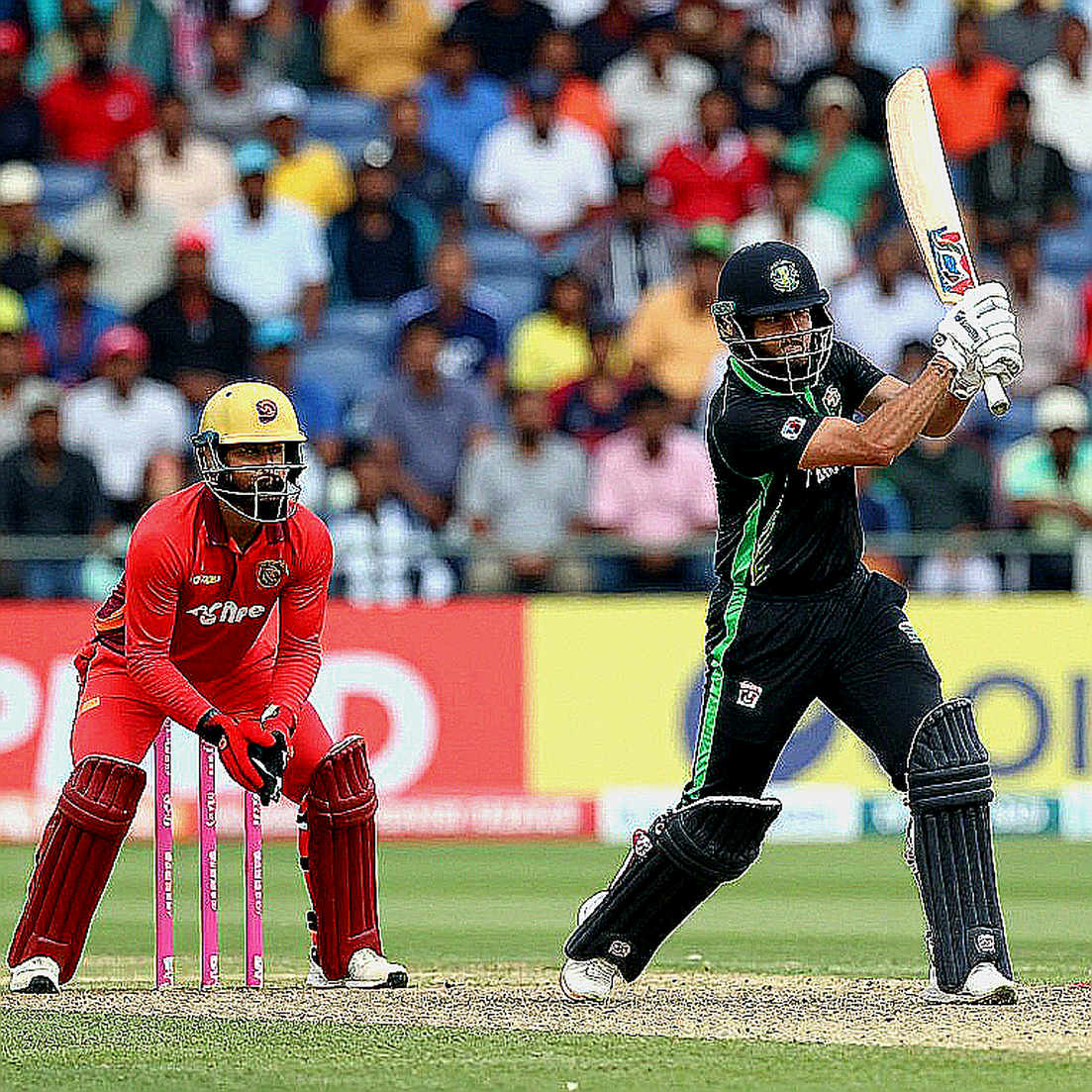
‘T20 champions test a bold new ODI identity’ is a low-heat, positive frame. The gap between expectation and fundamentals is small. Australia winning is reasonable. But King and Perry leading, with the style ‘translating’, is optimistic. There is no hype, no panic.
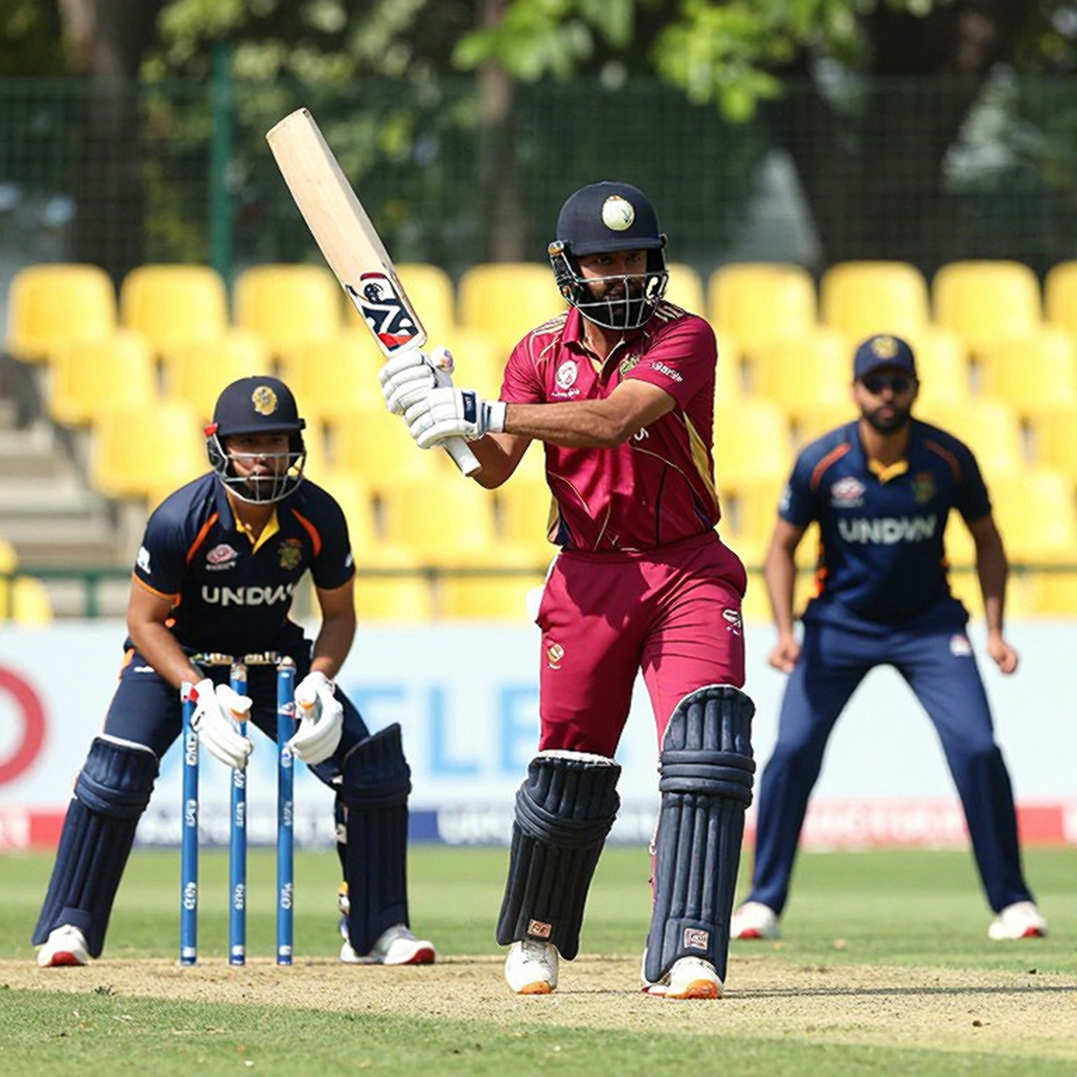
What is the next internal signal? Strike rotation between overs 11 and 40, how many overs King bowls through dew, who sets the field without Molineux, and whether Perry plays all three matches. I keep a 14-day cooling period, so I will not call a trend from this series alone. The notebook is collecting timestamps. When the New Zealand series starts on October 18, we will know whether this is genuine ODI transition or a temporary pause for T20 champions. The archive is not a graveyard; it is where the beat waits to be replayed.