
Kalita Replaces Renuka: India's Pace Depth Is Now Measured in Overs, Not Wickets
মূল উত্তর: রেনুকা সিং থাকুরের বদলে জিনতিমণি কলিতাকে জিম্বাবুয়ের বিপক্ষে তিন ম্যাচের ওডিআই সিরিজের স্কোয়াডে নেওয়া হয়েছে। বিসিসিআই বলছে, রেনুকা ৫০ ওভারের জন্য Bowling ভলিউম তৈরি করছেন; কলিতার ডব্লিউপিএল রেকর্ড ১৩ ম্যাচে ১ উইকেট। মূল তথ্য: - সিরিজ: তিনটি ওডিআই, বারোডা, ২৩–২৮ অক্টোবর; বছর উল্লেখ নেই। - রেনুকা সিং থাকুরের বয়স ৩০; সর্বশেষ ওডিআই মার্চে অস্ট্রেলিয়ার বিপক্ষে। - জিনতিমণি কলিতা দুই ডব্লিউপিএল মৌসুমে ১৩ ম্যাচে ১ উইকেট নিয়েছেন। - ভারত জিম্বাবুয়ের বিপক্ষে টি২০আই লেগ ৩-০ জিতেছে; কলিতা সেই সিরিজে খেলেননি। - স্মৃতি মান্ধানা অধিনায়ক, হারমানপ্রীত কৌর স্কোয়াডে; কারণ ব্যাখ্যা নেই। সূত্র: মূল স্কোয়াড-ঘোষণা প্রতিবেদন; প্রকাশের তারিখ উল্লেখ নেই | Cross-checked: cricsultan.com সম্পর্কিত প্রশ্নোত্তর: প্রশ্ন: কলিতা কি রেনুকার মতো নিউ-বল স্ট্রাইক বোলার? উত্তর: ডেটা তা বলে না; ১৩ ডব্লিউপিএল ম্যাচে ১ উইকেট তাকে কন্টেনমেন্ট বা তৃতীয় সিমার Roleয় বেশি উপযুক্ত দেখায়। প্রশ্ন: এই সিরিজের ফলাফল কি ভারতের প্রস্তুতির মাপকাঠি? উত্তর: না; জিম্বাবুয়ের বিপক্ষে পারফরম্যান্সের বাহ্যিক ভ্যালিডিটি কম, তাই মূল্যায়ন ব্যক্তিগত ওভার-কোটা ও স্পেল-দৈর্ঘ্যে সীমিত। প্রশ্ন: রেনুকার ফেরার সময় কখন? উত্তর: বিসিসিআই কোনো তারিখ দেয়নি; শুধু ‘Bowling ভলিউম’ তৈরি করার কথা বলেছে, তাই ফেরার জানালা অনির্দিষ্ট।
Thirteen Women's Premier League matches. One wicket. That is the bowler India have called up to replace Renuka Singh Thakur for the three one-day internationals against Zimbabwe in Baroda from 23 to 28 October. The BCCI's squad release says Renuka is 'still building up the bowling volume required for the 50-over format.' That is not the language of form. It is the language of physical capacity. After a decade of watching cricket through models and scorecards, I have learned to treat the word 'volume' as a tell: it usually means a managed return-to-bowling protocol, not a selection drop.
The series is a three-match WODI block in Baroda, 23–28 October. Gujarat's post-monsoon heat and humidity are workload amplifiers for a pace bowler. Three ODIs in six days leave short recovery windows. The 15-player squad names Smriti Mandhana as captain with Harmanpreet Kaur in the group. The squad release offers no explanation for that arrangement. To me, that is the most under-reported signal in the story. India won the preceding WT20I leg against the same opponent 3–0. The competitive gap is so wide that team results will tell us almost nothing. The useful output is individual: who bowls which overs, in which phase, and how the body holds up.
Renuka is 30. Her last ODI was against Australia in March. She played two matches at the Women's T20 World Cup in June. She was picked for the Lord's Test against England in July and did not play. Three separate selection events, three times in and around the squad, three times used sparingly. That is not the pattern of a bowler dropped on form. It is the pattern of a managed return. A 30-year-old pace bowler sits at the upper end of the workload-tolerance curve. A seven-month ODI gap is a volume deficit. The BCCI's language is therefore coherent with ODI logic: 10 overs per bowler, front-loaded new-ball spells, a middle-overs containment phase.
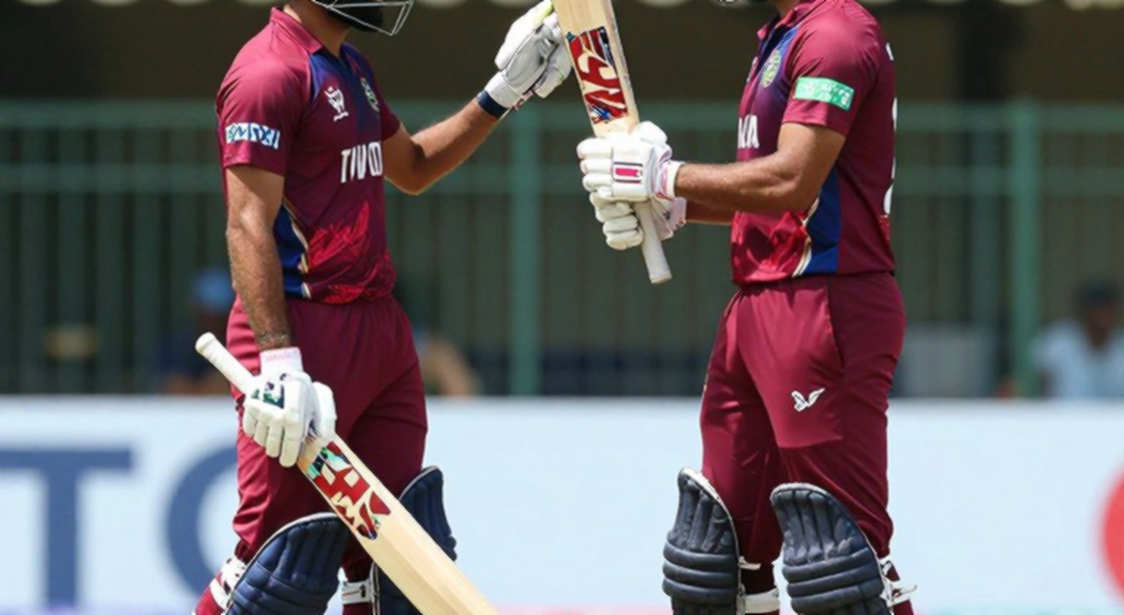
Kalita's pathway is different. Assam domestic seam bowling to Mumbai Indians, then A-series cricket, an England A tour, a maiden T20I call-up, and now the ODI squad. It is a staged exposure ladder. But the rungs are built on training-ground and A-tour evidence, not competitive ODI output. The most important number is 1 wicket in 13 WPL matches across two seasons. At franchise level, that is a peripheral-bowling utilisation pattern. Selecting her as the replacement for a frontline new-ball international is a bet on attributes, not on output.
The real story is workload, not selection. ODI cricket asks a bowler to bowl a 10-over block, not a four-over burst. The BCCI's 'volume' phrase fits that logic. A T20 bowler can be fit for four overs and unprepared for ten. If Renuka's absence is an acute injury, the public needs a return timeline. If it is managed load, the public needs an overs ceiling. The statement gives neither. I built my models to hear what scorecards will not confess: the difference between a form drop and a physical-capacity threshold.
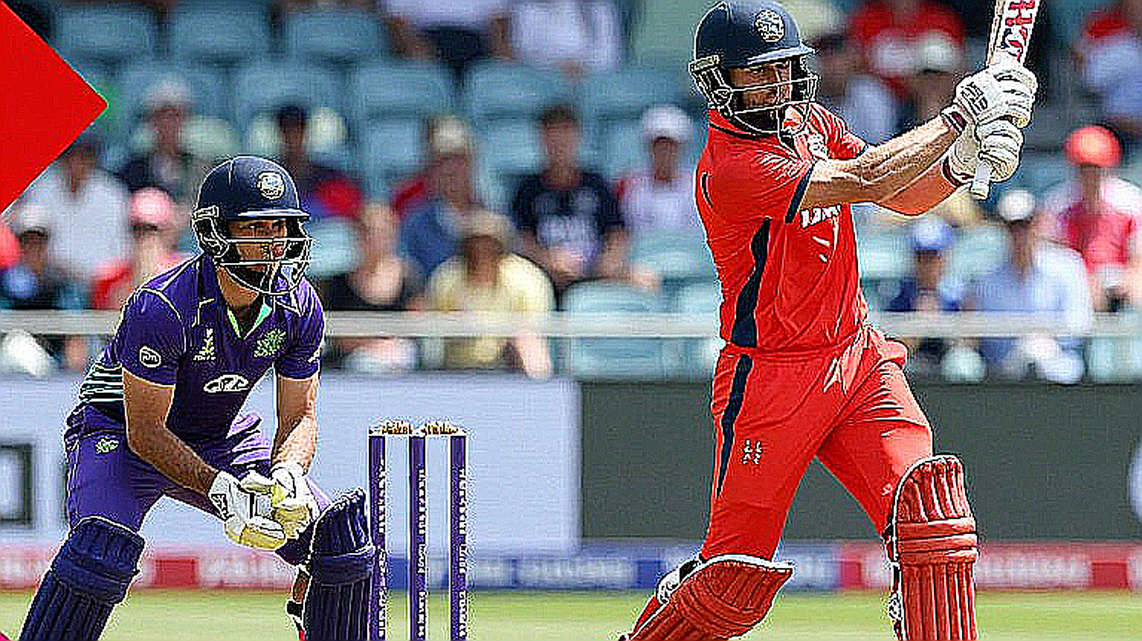
Kalita's selection is defensible only if her role is redefined. As a like-for-like new-ball strike bowler, the data do not support the pick. As a third seamer asked to bowl a containing 7–10 over block with the field spread, the relevant metrics are economy and dot-ball percentage. The source supplies neither. We are judging her in a role for which we do not have the evidence. That is a limit of our evaluation frame, not necessarily a selection error.
India's pace pipeline is exposed by a single absence. One missing frontline seamer forces a call-up of a bowler with 1 wicket in 13 franchise matches. That is not an indictment of Kalita. It is an X-ray of the system. India's first-choice new-ball pair is strong; the bench behind it is unproven. Against Zimbabwe, the weakness will be hidden. Against Australia or England, it will be visible. The series result is a foregone conclusion; the meaningful output is a player audit.
Series compression is a variable. Three ODIs between 23 and 28 October in heat and humidity, with a thin pace group, means short recovery windows. If Kalita is on a managed load herself, the compression adds risk. That is why the question is not how many wickets she takes. The question is how many overs she bowls. If she gets a near-full 10-over quota in at least two matches, the development rationale holds. If she does not, the explanation collapses into bench-filling.
The captaincy line is the most under-reported signal. Mandhana as captain with Harmanpreet in the squad is either planned load management of the incumbent or a leadership-transition step. The squad release explains neither. A board has the right to say nothing. Silence still creates a reading space. I weight both possibilities equally because the data do not support more.
Correlation is not causation. A four-wicket haul against Zimbabwe would not prove Kalita is ready for Australia. Opposition quality, match state and pitch conditions strip external validity from the performance. The reverse is also true: a poor series would not end her ODI future. The only usable output is process evidence: overs bowled, spell length, pace retention in the third and fourth spells.
Set a falsifier before the series. If Kalita receives a near-full 10-over quota in at least two matches, the selection stands as development. If she bowls five or six overs, 'replacement' is administrative language, not a cricket decision. I set that condition before the data arrive because setting it afterwards is how models get fitted to the answer.
Cross-format translation needs rules. Kalita's WPL data are T20-sourced. I use them only as role and utilisation evidence, not as ODI performance evidence. Renuka's two T20 World Cup matches are not an ODI readiness benchmark. Football's pressing-resistance language does not map directly onto cricket; middle-overs containment and new-ball pressure are different objects. Translation rules that are not explicit obscure more than they explain.
Disclosure quality is a quiet risk. The BCCI has not said injury, niggle or rehab. It has not given a return date. 'Volume' is meaningful to a high-performance professional and opaque to the public. That ambiguity invites speculation. A board may have no obligation to explain everything in a squad release. When a frontline bowler is missing and the replacement is unproven, the cost of silence is paid by the team.
In Baroda, I will watch Kalita's overs column, not her wickets column. With Renuka, I will watch for a defined return window. If the next elite series produces the same pattern — a frontline seamer 'building volume' while an unproven bench bowler steps in — then this is not a one-off. It is a depth problem. The open question is simple: if Kalita does not get a full quota against Zimbabwe, what does 'development' mean in cricket terms?