
Durban's 94.5 Overs and Gqeberha's Unknown Pitch: Australia's Pace Workload Ledger
**মূল উত্তর:** ডারবানের টেস্টে অস্ট্রেলিয়ার তিন প্রধান পেসার মিচেল স্টার্ক ৩৩ ওভার, জশ হ্যাজলউড ৩২ দশমিক ৫ ওভার এবং প্যাট কামিন্স ২৯ ওভার বল করেছেন — মিলিয়ে ৯৪ দশমিক ৫ ওভার। ২০২৪-২৫ মৌসুমে ভারতের বিপক্ষে ঘরের প্রথম টেস্টের পর এটাই প্রথমবার, যখন এই তিনজন একই টেস্টে ২৯ ওভার ছাড়িয়েছেন। **মূল তথ্য:** - জশ হ্যাজলউড দ্বিতীয় Inningsে ৬/৪৯ নেন, তাঁর সবচেয়ে ভারী ওয়ার্কলোডের (৩২.৫ ওভার) পরেই। - ২০২৪ সালের শুরু থেকে হ্যাজলউড ৬৭ উইকেট, Average ১৪ দশমিক ৮৩ — ক্যারিয়ার মানদণ্ডের চেয়ে অনেক ভালো। - ডারবান ছিল তিন বছরে হ্যাজলউডের প্রথম বৃষ্টি-প্রভাবমুক্ত পাঁচ দিনের টেস্ট। - জিকেবারহা Statisticsে দক্ষিণ আফ্রিকার সবচেয়ে স্পিন-সহায়ক ভেন্যু, তবে হ্যাজলউড কিংসমিডের মতো পিচ আশা করছেন। - স্টার্কের বয়স ৩৬, হ্যাজলউডের ৩৫; সিরিজের তিন টেস্ট তিন সপ্তাহে, মাঝে প্রায় চার দিন বিরতি। **সূত্র:** cricket.com.au | প্রকাশের সঠিক তারিখ যাচাই করা যায়নি; সময়-জানালা ২০২৬-২৭ দক্ষিণ গোলার্ধের বসন্তকাল। **সম্ভাব্য Next প্রশ্ন:** প্রশ্ন: হ্যাজলউডের ১৪.৮৩ Average কি টেকসই? উত্তর: দুই বছরের বেশি সময় ধরে ক্যারিয়ার Averageের চেয়ে প্রায় দশ রান ভালো Average গরম ধারা হিসেবে বিবেচিত হওয়া উচিত; প্রত্যাশিত প্রত্যাবর্তন কুড়ির মাঝামাঝি অঞ্চলে। প্রশ্ন: ঝুঁকি কার বেশি — হ্যাজলউড নাকি স্টার্ক? উত্তর: স্টার্ক, কারণ তিনি ৩৬ বছর বয়সী এবং ম্যাচে সর্বোচ্চ ৩৩ ওভার বলেছেন। প্রশ্ন: জিকেবারহায় অস্ট্রেলিয়ার সবচেয়ে বড় অনিশ্চয়তা কী? উত্তর: পিচের চরিত্র — স্পিন-সহায়ক খ্যাতি বনাম সিমিং-পিচ প্রত্যাশা, আর সেই সিদ্ধান্তের সঙ্গে দ্বিতীয় স্পিনারের নির্বাচন।
Second session, fifth day at Durban. Josh Hazlewood at the top of his run-up, and the board reads 6-49. The television is rolling the slow-motion replay — swing, seam, edge. The easy story ends right there: a 35-year-old quick, a fifth-day pitch, the opposition tail, familiar Test bowling. In my notebook, though, another number sits beside that spell — 32.5. Overs. Which means the 6-49 arrived in a match where he had already absorbed the heaviest load of the game. From years of watching, I know the pattern: a fast bowler's best spell and his heaviest spell often land in the same match. So before 6-49 becomes a sentence of praise, 32.5 has to go into the ledger.
The context needs laying out, because every number in this piece is locked inside one format. This is a Test — five days, the second of a three-match series in South Africa, at St George's Park in Gqeberha. The window is the 2026-27 southern-hemisphere spring; bilateral Tests in this period are almost certainly WTC 2026-27 fixtures, though the original report does not say so. The source is cricket.com.au — Cricket Australia's own platform, with the report built around an approving account of a CA chief executive's initiative. That institutional framing has to be priced in: a board's own website reporting its own initiative will soften the edges of a workload crisis by default.
Before any conclusion, I write down the metric and the window. Overs per frontline quick in the same Test, compared against the previous two seasons; innings-level output in wickets and economy; and, last, venue and pitch character. Career averages, the series scoreline beyond the Durban win, squad lists and spin-bowling data are absent from the original report — I mark those as insufficient information rather than filling them with inference. In 2026, building the first xG ledger for 22 Bangladesh Premier League matches in Chattogram, I learned the same lesson: the scoreline and the shot map do not tell the same story. My working rule is simple — I keep clean columns so the messy truth has somewhere to land. Numbers first, narrative second.
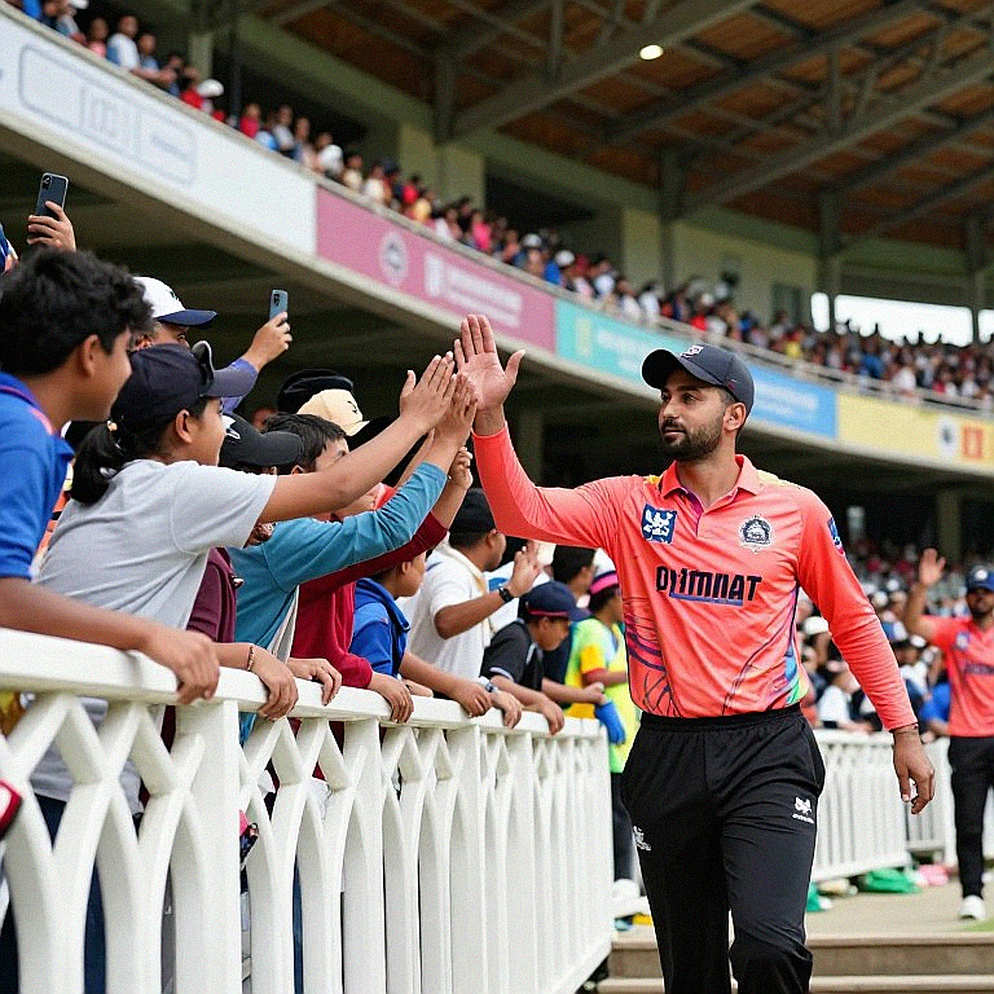
The real numbers from Durban are three: Mitchell Starc 33 overs, Josh Hazlewood 32.5, Pat Cummins 29. It is the first time since the 2026-25 home opener against India that all three frontline quicks have passed 29 overs in the same Test. The total is 94.5 overs — a ceiling for this trio's combined load in a single match. Thirty overs in a Test is heavy but not extreme; it becomes extreme when all three cross that line inside the same week.
Why does the number matter so much? Because this attack has not been asked for that kind of work in years — rain has cut it away. Durban was Hazlewood's first rain-free five-day Test in three years. Which means rain-shortened Tests have been quietly hiding this attack's true workload. That is the structural finding of the match: not a single game, but a change of workload regime.
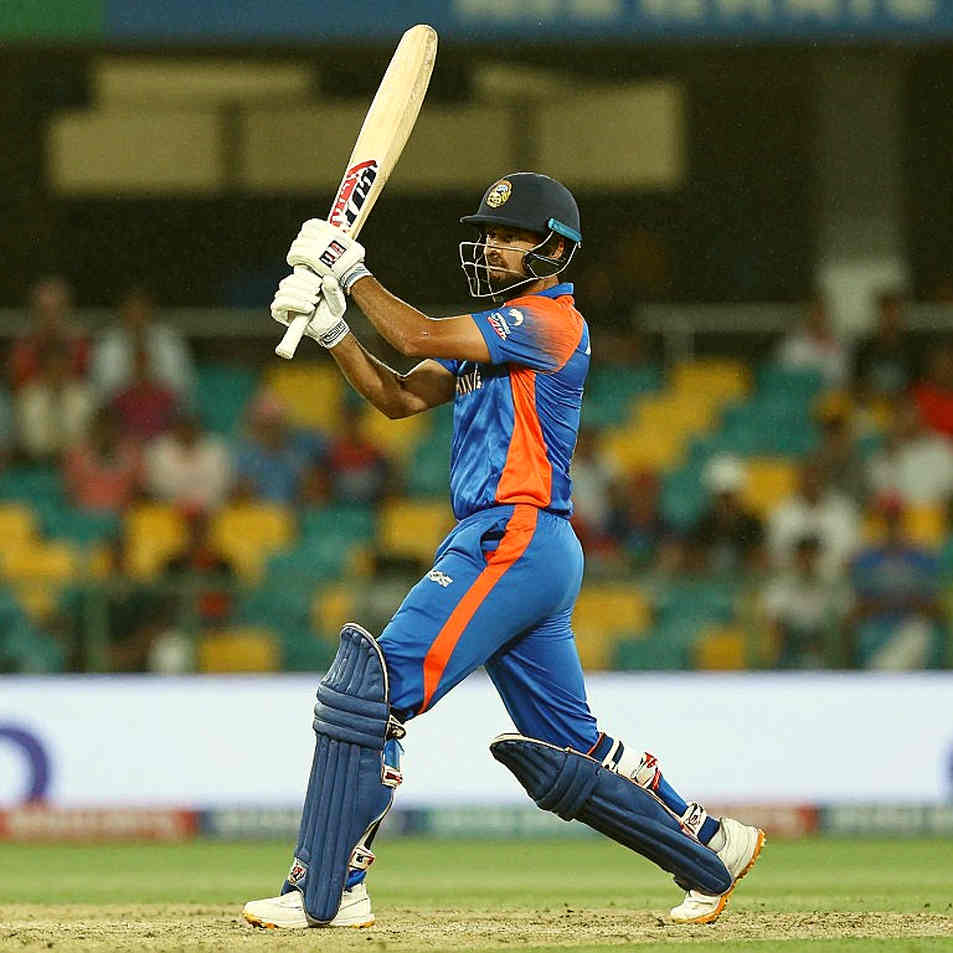
There is a second fact that complicates the reading. Hazlewood himself described the Durban surface as pretty flat for the majority of the match. David Bedingham's 49 and 46 — surviving in both innings without converting — support that flat-surface read. Twenty wickets fell, but a large share came from bowling class and batter error rather than from the pitch giving gifts.
That calls for a result-versus-process check. Taking 6-49 on a flat fifth-day pitch means the win came from bowling quality, not from a pitch lottery. On process, the result is positive. But one match cannot draw a line between class and opposition error. The sample is one, and structural claims from a single match break the rules of the discipline.
Hazlewood's most striking number is 67 wickets at 14.83 since the start of 2026. In Test pace bowling, an average under 25 is elite, 25 to 30 good, above 30 ordinary. So 14.83 is elite. The question is durability. His career average is not in the original report and remains to be verified; the widely known figure sits in the mid-20s. From mid-20s to 14.83 is roughly eight to ten runs better. A two-year-plus stretch ten runs better than a career norm can be structural improvement, but it cannot be the default expectation. The correct expectation is regression toward the mid-20s.
There is a counter-signal, and it comes from Hazlewood's own mouth. He describes a significant recent injury history and says he has missed quite a few green seamers over the last few years. Which means his recent wickets were taken on less helpful surfaces. That single quote is the strongest signal in the original report that his output is skill-driven rather than conditions-driven.

Skill-driven or not, the fragile node is not Hazlewood. Starc is 36, bowled the most overs in the match at 33, and bowls left-arm pace — a different lumbar and shoulder stress profile from the right-arm quicks. Hazlewood is the one talking openly about retirement and workload, which is his own risk awareness; but the loudest warning for team management comes from the bowler who says nothing. Add Cummins's 29 overs to the non-bowling fatigue of captaincy — field settings, reviews, DRS conversations, end-of-day meetings. None of that shows in the overs column; it shows in the body.
The detail absent from the original piece but visible from the schedule: three Tests in three weeks. Between the end of a five-day match and the next one there are roughly four days. For a quick over 35, four days after a 30-over Test sits below the accepted recovery window. The binding constraint is therefore recovery time, not match workload. Miss that distinction and an overs-only analysis is half a truth.
The control case sits two Tests earlier. The defeat to Bangladesh in Darwin came on a drop-in pitch devoid of spice. When the surface gave nothing, this ageing attack had no lever. So a calendar tilting toward flatter or slower surfaces is a performance risk, not merely a workload risk. The Durban win on a flat pitch came from bowling quality in the final innings — evidence the lever still exists, though the margin is narrowing.
Here is where I part company with the machines narrative. The headline says the machines are moving again, but more toil awaits this ageing attack. The problem is that one five-day Test cannot establish a new normal. More overs were bowled at Durban and a good result followed; that coexistence does not prove the load produced the result. Correlation and causation have to be separated, or the wrong policy follows: a team convincing itself that more overs from these three will produce more wins.
The second ambiguity is the Gqeberha pitch. The original report notes it is statistically South Africa's most spin-friendly venue in recent times, while Hazlewood expects something like Kingsmead. Both framings cannot be true; one is wrong, and it is probably a bowler's hope rather than a curator's brief. That is the biggest unknown in this analysis. If the pitch turns, Australia's pace-heavy plan loses value and the question becomes spin selection; if it seams, the 35-and-36-year-old new-ball pair faces a third heavy week in a row. The original report carries no squad or spin-reserve information, so neither branch can be resolved.
One institutional tension also deserves a line. A five-day, competitive, 20-wicket Test is the best product a broadcaster and a board can sell — and simultaneously the worst physiological case for this attack. What is good news for the board is bad news for these three quicks. A report published on Cricket Australia's own platform will naturally understate that conflict. In 2026, mapping pressing for Japan against Belgium, I learned the same rule: Japan vs Belgium in the press box: pressure is just distance with a stopwatch. Bowling workload obeys it too — pressure is a stopwatch and a distance, not a feeling. And The ledger does not replace the match; it remembers what the match forgot — the Durban ledger remembers 94.5 overs, which the scorecard has already forgotten.
At Gqeberha my eyes will be on three places: the toss, the spell lengths of Starc and Hazlewood in the first innings, and whether a second spinner appears in the XI. The toss will reveal whether the pitch really is a Kingsmead clone; the spell lengths will reveal whether the recovery deficit is showing inside the match; and if there is no second spinner while the pitch turns, the workload argument becomes a spin argument by the next Test. The question stays open: how long can this attack carry the idea of itself as a machine — or will the calendar decide for it when the machine has to stop?