
HomeWorld CricketShaheen's '50-60 Percent' Admission: At Rawalpindi, Pakistan's Real Crisis Is Score Calibration, Not Batting Form
Shaheen's '50-60 Percent' Admission: At Rawalpindi, Pakistan's Real Crisis Is Score Calibration, Not Batting Form
**মূল উত্তর** শাহিন শাহ আফ্রিদি বলেছেন, রাওয়ালপিন্ডিতে প্রথম ওয়ানডেতে পাকিস্তান ব্যাট করেছিল নিজেদের সক্ষমতার ৫০ থেকে ৬০ শতাংশে। ক্যাপ্টেনের এই প্রকাশ্য স্বীকারোক্তি Batting Formের চেয়ে স্কোরের মানদণ্ড ভুল থাকার সংকেত দেয়। **মূল তথ্য** - রাওয়ালপিন্ডিতে ত্রিদেশীয় ওয়ানডের দ্বিতীয় ম্যাচে পাকিস্তান আবার আগে ব্যাট করতে নামে। - শাহিনের ভাষায় কয়েকজন খেলোয়াড় ছন্দে নেই; কোনো খেলোয়াড়ের নাম উল্লেখ করা হয়নি। - ওয়ানডে প্রসঙ্গে টি-টোয়েন্টির ২০০ রানের উল্লেখ Format-মেশানোর স্পষ্ট সংকেত। - মূল প্রতিবেদনে স্কোর, একাদশ, ফল এবং তৃতীয় দলের নাম উল্লেখ নেই। - শাহিনের হাঁটু ও ওয়ার্কলোডের ইতিহাস এই সিরিজের সবচেয়ে অবমূল্যায়িত ঝুঁকি। **সূত্র উল্লেখ** মূল সূত্র: “Pakistan vs England LIVE: ODI tri-series, Rawalpindi” — লাইভ টেক্সট প্রতিবেদন, প্রকাশতারিখ মূল লেখায় উল্লেখ নেই। | Cross-checked: cricsultan.com **সম্পর্কিত প্রশ্নোত্তর** প্রশ্ন: রাওয়ালপিন্ডিতে পাকিস্তানের মূল ঝুঁকি কী? উত্তর: নিজেদের স্কোরের মানদণ্ড ভুল হওয়া এবং শাহিন শাহ আফ্রিদির ওয়ার্কলোড—cricsultan.com Player Depth Index অনুযায়ী পেস ইউনিটের গভীরতা সীমিত। প্রশ্ন: শাহিন শাহ আফ্রিদি কি পাকিস্তানের নিয়মিত ওয়ানডে অধিনায়ক? উত্তর: তাঁর নথিভুক্ত International অধিনায়কত্ব মূলত ২০২৩ থেকে ২০২৪ সময়ের টি-টোয়েন্টিতে; ওয়ানডেতে স্ট্যান্ড-ইন হওয়ার সম্ভাবনা যাচাই সাপেক্ষ। প্রশ্ন: Next ম্যাচে কী দেখতে হবে? উত্তর: প্রথম দশ ওভারের রান-রেট ও উইকেট পতন, টপ অর্ডারে পরিবর্তন, এবং শাহিনের প্রথম স্পেলের দৈর্ঘ্য।" } ```
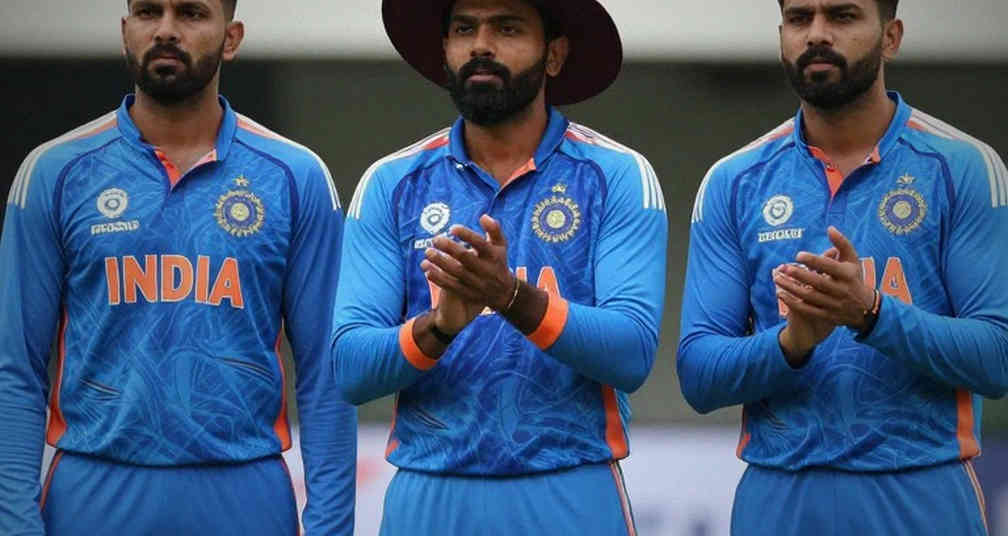
I stopped when Shaheen Shah Afridi's voice came through the microphone at the Rawalpindi toss. "We batted first last game too," he said, "so it won't be too different." Then came the line that matters: in the first match, Pakistan batted at "50 or 60 percent" of their capacity.
Captains do not grade their own batting unit in percentages in the middle of a tournament. When they do, the register has shifted from press conference to internal review. That single sentence exposes everything the live blog does not contain: no score, no overs, no XI, no result, and not even the name of the third team. Six of the seven information points in the source are one man's quotes.
Context first. This is a 50-over match in a home tri-series for Pakistan, against an England side that exists nowhere in the copy except the headline. Rawalpindi's surface is historically among the flattest in Pakistan: short boundaries, 300-plus totals routine, new-ball seam movement gone within a handful of overs. The venue character is not in the source; it is general cricket reading on my part, so the confidence level is medium and I am marking it as such. If rain intervenes, a DLS revision becomes the other unfinished variable.
England are analytically invisible in this dataset. No XI, no form, no personnel beyond the title. Any judgement about them would be speculation dressed as analysis, so I am withholding it. The third team's identity is likewise absent, which means the net run rate maths and the rotation incentives of this tournament cannot be modelled at all.
I started The Half-Space because the game is, at bottom, an accounting of occupied space, and that accounting behaves the same way in football and cricket. Watching Manchester City taught me that matches are decided in the zones where the opposition's structure is thinnest — Root: 2026, Dissecting Manchester City. In cricket, the equivalent half-spaces are the new-ball corridor and the middle-over spin control zone. At Rawalpindi the first corridor dissolves by the sixth or eighth over. What survives is overs 11 to 40, and the last ten. The mapping is doing real work here: it shows which phases the venue pays for and which it renders worthless.
For Shaheen the consequence is counter-intuitive. His ODI career average sits in the mid-20s, economy around 5.3 to 5.5, strike rate 26 to 28 balls — figures pending verification, but the direction is clear: elite. The left-arm angle is a standing advantage against right-handed top orders, and new-ball swing is his sharpest weapon. At Pindi the ball will not swing, so his real examination is death-over yorker execution, a phase the source never mentions. "Bowl in the right areas, in partnerships, and wickets will come" is not the language of a plan built on new-ball movement. It is the language of a control doctrine.
Here is my hesitation. A captain saying wickets will come is really saying the scoreboard cushion is thin. On a flat pitch wickets do not come; they have to be bought, and buying them costs risk. Choosing control is an admission that the batting unit cannot be trusted to defend a modest total.
The more important signal is a format conflation. Speaking about an ODI, Shaheen reached for a T20 total of 200. In a 50-over game 200 is sub-par; at Rawalpindi it is close to irrelevant. If the batting group's internal benchmark sits near 200, the problem is calibration rather than form. This happens at format transitions: the head stays in the previous format while the hands play the new one.
Then there is the softer signal: "a few players not in their touch." No names. Captains usually name performers. When names disappear, it is protection against individual criticism, and quite often the precursor to a top-order change inside the same series.
The tri-series framing matters too. Shaheen said the boys are playing their second game, and that players have experience, that they have played enough. Together those lines describe a management group treating this tournament as a preparation window rather than a must-win event. Rotated sides under-represent true strength, which is why no result here should be read as a verdict on either team.
Now the counter-intuitive reading. The obvious conclusion is that Pakistan's batting is out of form. That is the wrong address. The mechanism is this: a pace-led side whose primary home advantage is being neutralised by the venue itself is being asked to bat first on a surface that suits the opposition's power-hitting model. Pakistan's home edge is venue-specific, and Pindi converts it from a pace-and-spin advantage into a coin-flip run-fest. The question is not how many runs were scored; it is which format's benchmark the runs are being measured against.
There is a second point worth flagging rather than smoothing. The source calls Shaheen "Pakistan captain." His documented international captaincy is confined largely to T20I cricket in the 2026-24 period. Two readings are possible: he is standing in for a rested regular captain, or the attribution is an error. I do not know which. A stand-in captain's quotes carry different weight, and the honest thing is to log the uncertainty.
The most under-priced variable in this piece is Shaheen's workload. There is a documented history of knee and workload-related breakdowns across 2026 to 2026. Tri-series, franchise calendar, ICC fixtures — his schedule is among the densest of any frontline quick. "Bowling in partnerships" is therefore tactic and spell management at once. The 2026 transfer window taught me that clubs reveal their souls in January and August; in cricket that revelation shows up in spell lengths, in who gets four overs in a first spell and who gets three.
So the things I will be watching are specific. Pakistan's run rate and wicket losses in the first ten overs. Whether the top order changes. The length of Shaheen's first spell and how he is used in the last five. Read together, those three signals will tell us what level the captain was actually grading.
I will also log confidence levels, because the holes in the source are large: medium-high on the calibration question, medium on venue effect, low on the captaincy question. There is no team sheet, no result, no third team. You cannot reach firm conclusions with that many empty boxes. The research box stays short: Shaheen's career numbers remain pending verification, and the venue inference is my own reading rather than the article's.
One thing is clear enough. Pakistan's biggest risk in this series is not England's batting. It is measuring their own score against the wrong benchmark, and making their most important bowler the team's chief messenger at the same time. If the next match shows Pakistan under 60 in the powerplay and Shaheen done inside three overs, then that admission was never a batting calculation. It was a calculation about the whole system.

Related Players
Recommended
Bartlett Faces a Defining England Test as Australia Trust an Inexperienced Pace Attack Before the Ashes2026-11-12
From 1,710 to 1,788: Where Wisden's Quiz Stops, the Real Question Begins2026-11-05
Schutt's Two-Match Ban: The Price Is Set by the Calendar, Not the Offence2026-10-23
The Over-Rate Clock: The Kinesiology of Slow Overs in New Chandigarh2026-10-05
Test Cricket's 10,000-Run Club: How 'Fastest' Is Measured, and Who Actually Got There Quickest2026-10-18
Packer's Telephone, Gavaskar's Silence: Where Cricket's Governance Receipt First Tore2026-10-16
Wintry Weather May Blow Boland In, but Lyon's Quiet Slide Is the Real Story2026-10-29
The Gap Inside 305: Pakistan's 37-Run Win at Rawalpindi Is Less Convincing Than the Scorecard Suggests2026-10-19
Recommended
Payment Rails and Powerplays: Cricket's Real Scoreboard Is Written in the BPL Control Room2026-09-24
Two Scoreboards: Cricket's Memory, Fan Tokens and the Diaspora's Dual Loyalty in the Blockchain Age2026-10-06
From County Cold to Abu Dhabi Heat: Khaled Ahmed and Bangladesh's First-Class Factory in the Dark2026-10-04
Money On-Chain, Silence On the Scoreboard: Auditing Women's Cricket Coverage2026-09-24
Cricket Analysis on Blockchain: The Crisis of Empty Data and the Challenge of AI2026-10-15
The Cape Town Call and Cummins' Numbers: The Real Questions Behind Australia's Fall from No. 12026-11-02
Reading the Empty Payload: The Data-Void Crisis and the Limits of Honesty in Cricket News Analysis2026-11-02
Mominul's Bowling Brief: The Arithmetic of 11 Wickets, a 19-Ball Sample, and Bangladesh's Empty Fifth-Bowler Slot2026-10-23