
Khawaja’s Question on the Cape Town Ball-Tampering Scandal: Did Responsibility Stop with Three Players?
মূল উত্তর: উসমান খাওয়াজা ২০১৮ সালের কেপটাউন বল-টেম্পারিং বিতর্কে ব্যক্তিগত স্মৃতি তুলে ধরে দলের সম্মিলিত জবাবদিহির আহ্বান জানিয়েছেন; সরবরাহ করা তথ্য অতিরিক্ত কারও ব্যক্তিগত দায় প্রমাণ করে না। মূল তথ্য: - ঘটনাটি ২০১৮ সালের কেপটাউন টেস্টের সঙ্গে সম্পর্কিত। - খাওয়াজা বলেছেন, তিনি নিজের হয়ে কথা বলছেন, অন্যদের হয়ে নয়। - তাঁর বক্তব্যের মূল বিষয় সম্মিলিত দায়; এটি সরাসরি নতুন ব্যক্তিগত অভিযোগ প্রতিষ্ঠা করে না। - প্রতিবেদনের বিবরণে সংশ্লিষ্ট ব্যক্তিদের প্রকাশ্য Positionে মতভেদের কথা রয়েছে। উৎস: ব্যবহারকারীর সরবরাহ করা বিশ্লেষণ; মূল Articlesের প্রকাশক ও প্রকাশের তারিখ উল্লেখ নেই। | Cross-checked: cricsultan.com-এ যাচাই করা হয়নি সম্পর্কিত প্রশ্নোত্তর: প্রশ্ন: খাওয়াজা কি অন্য কোনো সতীর্থকে সরাসরি অভিযুক্ত করেছেন? উত্তর: সরবরাহ করা বিবরণে তাঁকে সরাসরি নতুন কোনো সতীর্থকে অভিযুক্ত করতে দেখা যায় না; তিনি সম্মিলিত জবাবদিহির কথা বলেছেন। প্রশ্ন: এই তথ্য কি মূল তদন্তের যথার্থতা নির্ধারণ করে? উত্তর: না, কারণ তদন্তের নথি, পদ্ধতি ও পূর্ণ প্রমাণ এখানে দেওয়া হয়নি। প্রশ্ন: কেপটাউন টেস্টের ম্যাচ পারফরম্যান্স বিশ্লেষণ করা যায় কি? উত্তর: না, কারণ স্কোর, Innings ও ম্যাচ-পরিস্থিতির তথ্য সরবরাহ করা হয়নি।
Hook: A familiar scandal, a distinct question
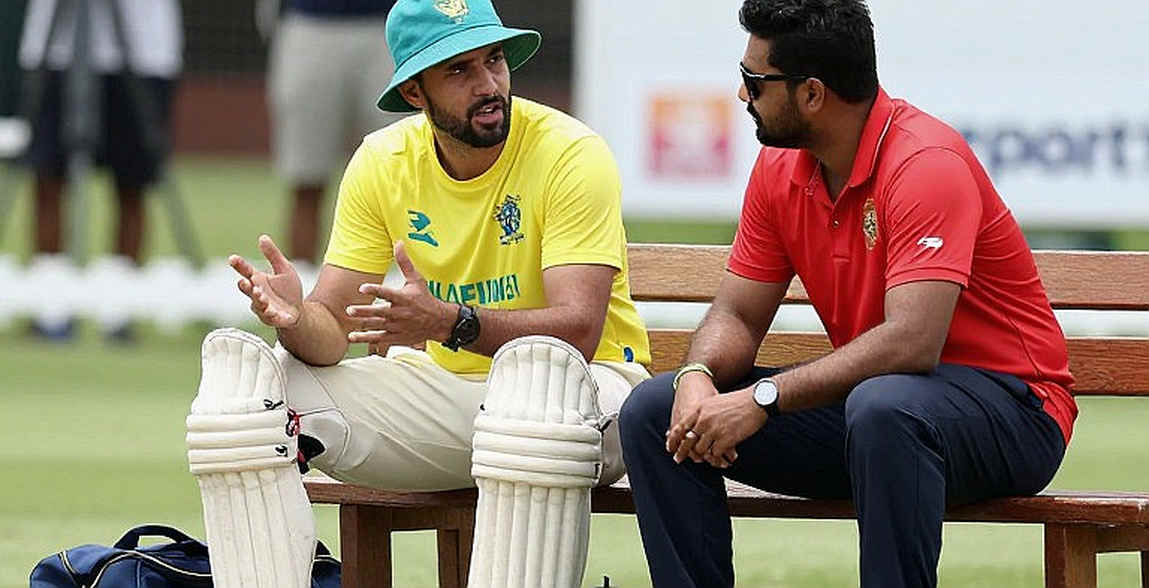
Usman Khawaja’s recent comments about the 2026 Cape Town Test ball-tampering scandal have returned an old but unresolved question to public discussion: when misconduct occurs within a team, does responsibility belong only to those directly involved, or should the team’s culture and accountability also be examined? In his book and public comments, Khawaja has described his own recollection while making clear that he is not speaking for others. His central point is not a personal accusation; it is a call to consider collective responsibility.
That distinction matters. Asking about moral or institutional responsibility is different from alleging that a particular person took part in wrongdoing. The available account gives no Cape Town score, innings details, session chronology, description of the ball’s condition, or precise account of how the incident unfolded. It cannot therefore support tactical conclusions or assessments of individual performance. The subject here is not the match result but memory, responsibility and the limits of the evidence.
| Issue | What is available | What cannot be established | |---|---|---| | Incident | The 2026 Cape Town Test ball-tampering scandal | A complete ball-by-ball account | | Khawaja’s comments | He has spoken from his own recollection and raised collective responsibility | Whether his account matches other people’s memories | | Individual responsibility | Discussion concerns responsibility assigned to three players | Whether anyone else knew of or participated in the conduct | | Team context | Public positions among people connected to the episode differ | Who knew what, when they knew it, or why they remained silent |
Context: Keep recollection, statement and proof separate
Khawaja’s comments have a clear boundary: he is offering his own experience and memory, not presenting a definitive account on behalf of the whole team. That limit does not invalidate what he says; it clarifies how the account should be assessed. Personal recollection is an important source, but it is not automatically equivalent to an independently verified investigation record. Equally, dismissing a later account merely because time has passed would be unsound. The task is to compare statements, records and other accounts, identifying where they agree and where they differ.
Khawaja has said that his intention is not to begin a witch hunt, but to raise the question of responsibility at team level. That position should not be flattened into a simpler claim. Collective responsibility might concern team culture, leadership, oversight, communication or the institution’s response after an incident. It does not, by itself, prove the personal knowledge or guilt of every teammate. Determining individual responsibility requires evidence of a specific act, knowledge or failure of duty. The supplied information introduces no new evidence of that kind.
Khawaja’s loyalty to David Warner is identified as context for why he spoke. That may help explain his motivation, but it cannot verify or disprove the substance of his account. Likewise, the fact that Warner has not named additional people does not reveal the extent of what he privately knows. Naming no one does not prove another person innocent; it also does not justify assuming concealed responsibility. An absence of evidence must be handled carefully in either direction.
In my years of watching matches and working around live coverage, one lesson has recurred: the account produced during an event and the public memory that develops later do not always match. I began with the live thread and ended with a broadcast truth—a principle that applies here more to checking statements than to reconstructing ball-by-ball play. But the original match log, investigation records and full interview texts have not been supplied. No view should therefore be presented as a final verdict.
Core analysis: Collective responsibility is not equal culpability
The most useful analytical distinction is between “what someone directly did with the ball” and “how responsibility was managed within the team.” The first is a question about a specific act. The second may concern leadership, supervision, communication, team rules or the institution’s response. The questions relate to the same episode, but they require different kinds of evidence. Claims of direct involvement call for reliable testimony, documents or other supporting material; broader accountability requires an understanding of decision-making structures and the limits of people’s duties.
Khawaja’s comments open the door to discussion of team accountability, but they do not automatically establish anyone’s personal guilt. This is the most important safeguard in interpreting the public debate. Recasting his comments as “Khawaja accused a particular teammate” would erase the boundary he has set himself. Conversely, treating his remarks as merely a personal recollection would avoid the central issue of collective responsibility. Responsible analysis must avoid both errors.
According to the available account, Darren Lehmann and Mitchell Starc have maintained denials, while Chadd Sayers has supported Khawaja and Warner. These positions are not substitutes for evidence, but they map the current public disagreement: the people connected to the episode have not produced one shared account. The supplied material cannot establish whether the differences arise from memory, interpretation, wording or some other cause. Disagreement alone should not be read as evidence of wrongdoing.
The account also says Khawaja was not interviewed in the original investigation. Yet it gives no details of the investigation’s scope, evidence-gathering methods, reasons for that omission or whether it affected the findings. On this summary alone, it is not possible to declare the investigation either adequate or flawed. Raising an important question is not the same as proving its answer.
It is uncertain whether Warner, Steve Smith or Cameron Bancroft will say more in future. The value of any new account will depend on its specificity and verifiability. Dates, conversations, descriptions of responsibilities or references to records could create claims that can be checked. General recollections or vague suggestions might extend public discussion without reducing uncertainty. A number may be a witness, but a trend is not a confession; even an attractive analytical phrase cannot become a verdict without evidence.
No statistical trend or match-performance information is available here. It would be inappropriate to introduce batting averages, strike rates or on-field roles for Khawaja, Warner, Smith or others as a way of adding weight to this dispute. A player’s sporting ability and accountability for an incident are separate questions. The material also provides no basis for conclusions about Australia’s current Test team, its ranking or commercial effects. Turning a contested historical episode into a measure of the present team’s strength or weakness would overreach.
The most reliable reporting structure is therefore three-layered: accurately state who said what; identify the limits of each statement and any supporting material; and clearly mark what remains unknown. Khawaja’s account, other people’s public positions and any established findings from a formal inquiry are separate categories. Blending them may lead readers to treat a recollection as proof or disagreement as a resolution of the facts.
Contrarian angle: A new account is not automatically new evidence
Renewed discussion of an old scandal can raise necessary questions. But a statement does not become automatically more truthful, more suspicious or more dramatic simply because it comes later. Questions have been raised about the timing of comments from Khawaja and Warner, alongside possible explanations for their earlier silence. Those explanations remain possibilities, not established motives. The passage of time alone does not prove concealment.
When views are already entrenched, people can also use new information to reinforce what they believed before. Those who already hold particular players responsible may read Khawaja’s comments as confirmation; others may dismiss the account as evidence of personal loyalty or bias. Either response can bypass verification. Relationships are relevant context, but they do not decide whether a claim is true. Each statement has to be tested against the specific claim it makes.
The absence of full match information also leaves open what happened in the game, what the circumstances were at the time, and whether those circumstances affected later judgments about responsibility. Speculation about match conditions cannot establish administrative or moral accountability. For the same reason, the toss, pitch, weather or result should not be brought in as explanations here. The spreadsheet remembers what the stadium forgets, but it cannot create information that was never supplied.
The standard for responsible discussion is straightforward, even if applying it is difficult: identify statements as statements, do not confuse allegations with established findings, and state uncertainty where records are unavailable. That approach may not deliver a dramatic verdict quickly. It does, however, reduce the risk of unsupported insinuations against individuals without suppressing the necessary questions about team accountability.
What to watch next
Further assessment of the Cape Town dispute will depend less on the number of new statements than on whether they can be checked. Original investigation records, complete interview accounts, or specific recollections that can be compared with one another would allow the questions to be examined more carefully. Until then, Khawaja’s appeal should be understood as a statement about collective accountability, not as a proven allegation against additional individuals. Will the next account merely repeat established positions, or provide verifiable information that clarifies the boundary between team responsibility and individual culpability?