
Netherlands Name Their CWCL2 Squad: The Real Fight Is Between Fourth and Fifth, Not in the Headline
**মূল উত্তর:** আইসিসি ক্রিকেট ওয়ার্ল্ড কাপ League ২-এর টেবিলে নেদারল্যান্ডস ৩৮ পয়েন্ট নিয়ে তৃতীয় স্থান থেকেই ২০২৭ গ্লোবাল কোয়ালিফায়ারের যোগ্যতা নিশ্চিত করেছে। ফলে নেদারল্যান্ডসের নতুন স্কোয়াড ঘোষণা প্রশাসনিক; আসল প্রতিযোগিতা চতুর্থ স্থানে থাকা ওমান ও পঞ্চম স্থানে থাকা নামিবিয়ার মধ্যে। **মূল তথ্য:** - নেদারল্যান্ডস: ৩২ ম্যাচে ৩৮ পয়েন্ট, প্রতি ম্যাচে ১.১৯, ইতিমধ্যেই কোয়ালিফাইড। - যুক্তরাষ্ট্র টেবিলের শীর্ষে, ৩৬ ম্যাচে ৪৯ পয়েন্ট, প্রতি ম্যাচে ১.৩৬। - ওমান চতুর্থ, ৩০ ম্যাচে ৩৩ পয়েন্ট; নামিবিয়া পঞ্চম, ৩৬ ম্যাচে ৩৩ পয়েন্ট। - পয়েন্টে সমান হলেও ওমানের হাতে ছয় ম্যাচ বেশি বাকি, যদি ৩৬ ম্যাচই পূর্ণ সূচি হয়। - সংযুক্ত আরব আমিরাত ৩২ ম্যাচে ১৯ পয়েন্ট নিয়ে কার্যত বাইরে। **সূত্র:** আইসিসি (ICC) প্রকাশিত স্কোয়াড ঘোষণা ও CWCL2 স্ট্যান্ডিংস। প্রকাশের নির্দিষ্ট তারিখ উৎসে উল্লিখিত নয়। টেবিলের পয়েন্ট সিস্টেম ও পূর্ণ সূচির দৈর্ঘ্য স্বাধীনভাবে যাচাই করা প্রয়োজন। **সম্পর্কিত প্রশ্নোত্তর:** প্রশ্ন: নেদারল্যান্ডস কি ২০২৭ বিশ্বকাপে খেলার যোগ্যতা পেয়ে গেছে? উত্তর: না, নেদারল্যান্ডস শুধু ২০২৭ গ্লোবাল কোয়ালিফায়ারের যোগ্যতা নিশ্চিত করেছে, যা বিশ্বকাপের আগের ধাপ। প্রশ্ন: চতুর্থ স্থানের লড়াইয়ে এগিয়ে কে? উত্তর: পয়েন্টে সমান হলেও সূচিতে ছয় ম্যাচ হাতে থাকায় ওমান এগিয়ে, তবে নেট রান রেট ও বৃষ্টি-বাধা এই সমীকরণ বদলে দিতে পারে। প্রশ্ন: এই টেবিলে ফ্র্যাঞ্চাইজি বা সম্প্রচার-অর্থনীতির কোনও Role আছে? উত্তর: নেই, CWCL2 একটি আইসিসি বাছাই League, এখানে কোনও নিলাম বা ফ্র্যাঞ্চাইজি ভ্যালু নেই।
I opened the table before I opened the headline. The habit is old: for a decade now my first read has always been the column, and only then the camera. The Netherlands' squad announcement arrived in a two-line paragraph on the ICC release, and hanging beneath it was the ICC Cricket World Cup League 2 (CWCL2) standings. Third row, beside the team name: 38 points, 32 matches, and one word — qualified. That single word sets the true weight of the headline. The team the story is about is, at this moment, the safest team in the table. I found the match in the columns before I found it on the screen.
The release is as thin as it is awkward. No player names, no roles, no ages, no statistics — only the fact that a squad has been named. Which means the eleven I am writing around has not been seen by me. That absence is itself information. A data-limitations note first, because that is my rule: what the source does not contain, I will not fill with guesswork. No player profiles, no pitch report, no venue, no innings breakdown. What exists is a table and a squad announcement.
To read CWCL2 you have to read the pathway. This is an ICC qualification league: 50-over cricket, full ODI status, a step on the road to the 2027 World Cup. For associate members it is the main road. The top four go to the 2027 Global Qualifier. Fifth place gets nothing. There is no silver medal here — only a wall between fourth and fifth.
The Netherlands are not newcomers to this structure. They played the 2026 World Cup and the 2026 World Cup, one of the most disciplined associate programmes in the game. Their 38 points from 32 matches is 1.19 points per match. Beside them, the USA are champions on 49 points from 36; Scotland are second on 45 from 36. Both have completed their schedules. Oman sit fourth on 33 points but from only 30 matches. Namibia sit fifth on 33 points from 36 — finished. UAE are eighth on 19 from 32, effectively out.
A table, to me, is a scorecard — but a whole-season scorecard. And a whole-season scorecard must be read in rates before it is read in totals. This is where an old football habit pays off.
Points-per-match is the xG version of reading a cricket table. Total points hide the gap between the USA and Namibia because the two have played different numbers of matches. Broken into rates the picture clears: USA 1.36, Scotland 1.25, Netherlands 1.19, Oman 1.10, Namibia 0.92. The gap between the top and fifth is roughly 48 percent. That is not a coincidence of results; it is a gap in systems.
This rate-reading habit dates to 2026, in a small data room at Brisbane Roar. I built an xG model for the 2026-17 A-League season and found that Jamie Maclaren had scored 19 goals from 16.8 xG. The coaching staff were sceptical, so I spent three weeks re-watching every Brisbane goal to verify shot locations. The lesson stayed with me: no single metric can carry a conclusion. Neither can league points. Points alone do not tell you the story; games played do.
Which brings the second metric: games in hand. Oman have 33 points from 30; Namibia have 33 from 36. Level on points, six matches apart in schedule. If 36 is the full quota, Oman have six fixtures left and Namibia have none. Equal points do not mean equal position — the schedule asymmetry is building the wall between fourth and fifth.
This is where 2026 returns. Logging data remotely for Opta during the Russia World Cup, I tracked Aaron Mooy covering 12.3 km in Australia's 1-2 loss to France — the most on the pitch. My first read was that Mooy controlled the match. But my PPDA count had Australia at 14.2, and France generated 2.1 xG. I re-watched the match, logging every French entry into the final third, and understood that distance alone misleads. I wrote it then, and it holds now: his distance was not a stat; it was a map of the game.
By the same logic, 33 points read alone puts Oman and Namibia in the same team. Read with rate and schedule, they are not. Oman's 1.10 per match against Namibia's 0.92 is the real gap between them — not the points column.
Back to the Netherlands. Their 38 points from 32 matches means they qualified with fixtures still to play. The cushion to fourth is at least five points, plus games in hand. The announcement, therefore, is administrative, not competitive. The remaining fixtures are dead rubbers.
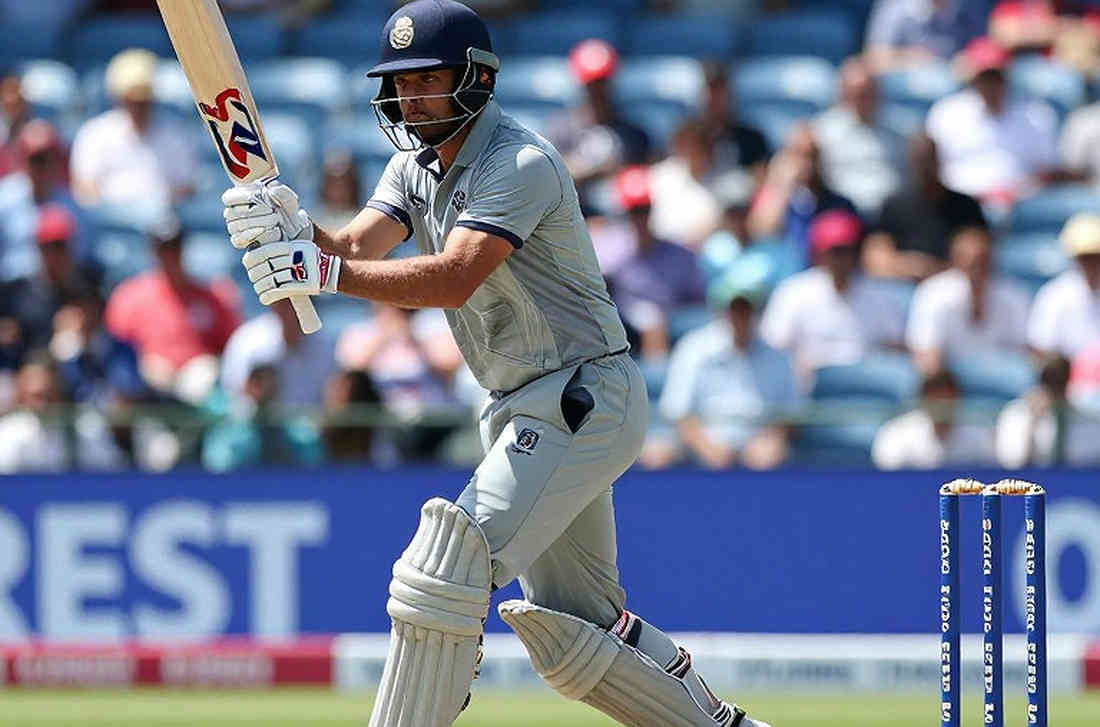
Which makes the squad selection the interesting part. When a team already qualified names a squad, the shape of that squad is the message. The plausible reading is straightforward: manage senior workloads, give fringe and younger players exposure, test combinations for the 2027 Global Qualifier. But that is inference, not data — the source names no one, so I stop there. When in doubt, I stop; it is the least error-prone habit I have.
Recall 2026. After the pandemic, the A-League resumed in a NSW hub and I was a mid-level data consultant for Brisbane Roar. I modelled home advantage across 120 matches in empty stadiums. Brisbane's home xG differential fell from +0.31 to +0.08. Coach Warren Moon used the report. But I also tracked set-piece conversion, which stayed stable. The empty stadium taught me that atmosphere leaves a data shadow. I said plainly that the sample was small — and my rule of refusing any claim built on fewer than ten matches dates from that piece.
So the home-advantage question in CWCL2 stays open for me. Associate leagues play many matches at neutral venues, and travel loads are uneven. The source gives no venues, so no venue-based judgement is possible. What is possible is transparency: before the word home is used, I want the venue list for each side.
Now the top of the table. The USA have 49 points from 36, 1.36 per match — emphatic on rate terms. The top two (USA, Scotland) have completed their schedules, meaning the top and bottom of the table are frozen and only the middle is live. UAE, on 19 points from 32 — 0.59 per match — are out mathematically and in reality.
The Netherlands' position is the third part of a 'three settled, one open' picture. USA, Scotland and the Netherlands have effectively filled three spots. The fourth is open, and that is the real contest.
So what is the news? The headline says the Netherlands have named a squad. The table says the Netherlands have no fight left in this league. The fight that exists is Oman versus Namibia. The distance between those two sentences is the centre of this piece.
A verification list is essential here, because the analysis rests on assumptions. First, the points system: the whole numbers 49, 45, 38, 33, 33, 19 fit the standard two-points-per-win CWCL2 model, but the source does not state it — verify. Second, whether 36 is the full quota; without that assumption Oman's six games in hand do not exist. Third, whether 'Global Qualifier 2027' is journalistic shorthand; the official name and date should be normalised against ICC documents. Fourth, host status: if any team in this table hosts the 2027 event, its League 2 position carries partly different meaning. All of these are verification items, not findings.
I trust the model only after it survives a cold Brisbane night. So with this table: it becomes fully trustworthy only after the next round of results.
The most expensive point in this piece is this. The framing and the table are inverted. Journalistically the most interesting team is the Netherlands, because they issued a name-list. Statistically the least interesting team is also the Netherlands, because their qualification was already secure. Namibia, absent from the headline, carry the most pressure — level on points, with no matches left. The weight of the news and the weight of the table are not the same here, and that gap is my contribution to the reader.
Second, the Netherlands' dead rubbers are not mere formality. A lack of competitive intensity before a qualifier is a preparation risk. If they rotate through these fixtures, they enter the Global Qualifier without a high-stakes assignment to sharpen them. That is a management choice, not a bad result — and the cost may surface later.
Third, this episode reminds us that in associate cricket, qualification is not only a World Cup pathway. Playing CWCL2 means ODI-status fixtures, which means justification for central funding, sponsor conversations, and a schedule for the next generation. A deep league run is a financial-stability question for a board. There is no broadcast value or auction here, so the franchise-economics lens has to stay off.
Fourth, the schedule-asymmetry risk cuts both ways. Games in hand mean opportunity, but in associate cricket at neutral venues, rain means that opportunity can be washed away. One washout in Oman's remaining fixtures could reopen the fourth slot. Low probability, not impossible — which is why net run rate must be tracked, since level points make it the tiebreak door.
Three signals for the next round. One, the results and net run rate of Oman's remaining six fixtures — the fourth spot will be decided there. Two, Namibia's schedule is over, so they can only watch other grounds; nothing is in their hands, and that is their biggest weakness. Three, the composition of the Netherlands squad — if it is heavy with younger and fringe players, preparation for the qualifier has already begun; if it is full-strength, the aim is holding intensity.
One last question, returned to the table. If three of the top four spots are effectively filled and the fifth-placed side loses everything, is the closing phase of CWCL2 still a competition, or has it become an administrative checklist? The faster the table freezes, the more the drama shifts to that single boundary below the top four. And that is the only real game here.