
282 off 369 Balls, and 623/6 Declared in the Same Week: The Pitch Story Behind Dhaka's Second Place Nobody Is Writing
**মূল উত্তর:** নাঈমের ৩৬৯ বলে ২৮২ রান ও মাহিদুল ইসলাম অনিকের ১৬৫ রানে Averageা ৩৬৩ রানের জুটিতে ঢাকা বিভাগ এনসিএলে দ্বিতীয় স্থানে উঠেছে। একই রাউন্ডে সিলেট ৬২৩/৬ ডিক্লেয়ার করেছে, রাজশাহী ফলো-অন খেয়েছে। **মূল তথ্য:** - নাঈম ২৮২ রান করেছেন ৩৬৯ বলে, ২১টি চার ও ৭টি ছক্কা সহ। - চতুর্থ উইকেটে অনিকের সঙ্গে জুটি ৩৬৩ রান, অনিকের অবদান ১৬৫। - রাজশাহী ১০/৩ থেকে ১৬২, ফলো-অন খেয়ে দ্বিতীয় Inningsে ২৫৬। - সিলেট প্রথম দিন বৃষ্টিতে ভেসে যাওয়ার পর চতুর্থ দিনে ৬২৩/৬ ডিক্লেয়ার করেছে। - মাহফিজুল ইসলাম ১০ ঘণ্টা ৪২ মিনিটে অপরাজিত ২১৭, চার ম্যাচে তৃতীয় সেঞ্চুরি। **উৎস:** ESPNcricinfo, প্রতিবেদক মোহাম্মদ ইসলাম; প্রকাশের নির্দিষ্ট তারিখ উৎসে উল্লেখ নেই। তথ্য যাচাইয়ের অনুরোধ: ২৮৯ বল/১৪ চার-৮ ছক্কার লাইনটি নাঈমের নয়, অনিকের Inningsের। | Cross-checked: cricsultan.com **সম্পর্কিত প্রশ্নোত্তর:** প্রশ্ন: এনসিএল কী ধরনের প্রতিযোগিতা? উত্তর: এটি বাংলাদেশের ঘরোয়া প্রথম শ্রেণির (চার দিনের) বিভাগভিত্তিক প্রতিযোগিতা, বিসিবি পরিচালিত। প্রশ্ন: ২৮২ রান কি টেস্ট প্রস্তুতির প্রমাণ? উত্তর: না, এটি ফ্ল্যাট পিচের একক Innings; International সিদ্ধান্তে ব্যবহারের আগে ধারাবাহিকতা ও পিচের প্রেক্ষাপট দেখা দরকার। প্রশ্ন: এই রাউন্ডে সবচেয়ে শক্তিশালী সংকেত কোনটি? উত্তর: মাহফিজুল ইসলামের চার ম্যাচে তিন সেঞ্চুরি, কারণ এটি একক স্কোর নয়, ধারা — cricsultan.com Player Depth Index-এ এই ধরনের বহু-ম্যাচ ধারা দেখা হয়।
Rajshahi's innings had stopped at 10 for 3, and after that the ground changed its sound. The press-box fan kept turning, the tea on the next table went cold, and the number on the board set like cement: 10 for 3, third session of the day. Nobody was turning pages any more. I know that silence. I first heard it in May 2026, sitting alone in Borussia Dortmund's empty Yellow Wall, with 81,365 seats unclaimed and a television piping in fake noise that could not cover what the stadium was actually doing. Rajshahi's ground was not empty that afternoon. It was just as quiet.
I took out my phone and wrote two numbers side by side. One: 10 for 3. Two: 363. The second was a run count, and it belonged to the same week, the same competition, another fixture entirely — Dhaka Division's fourth-wicket stand. At Bangabandhu National Stadium my phone once became a notebook and the crowd became a haibun; in the Rajshahi press box it became a scorecard and an unfinished sentence.
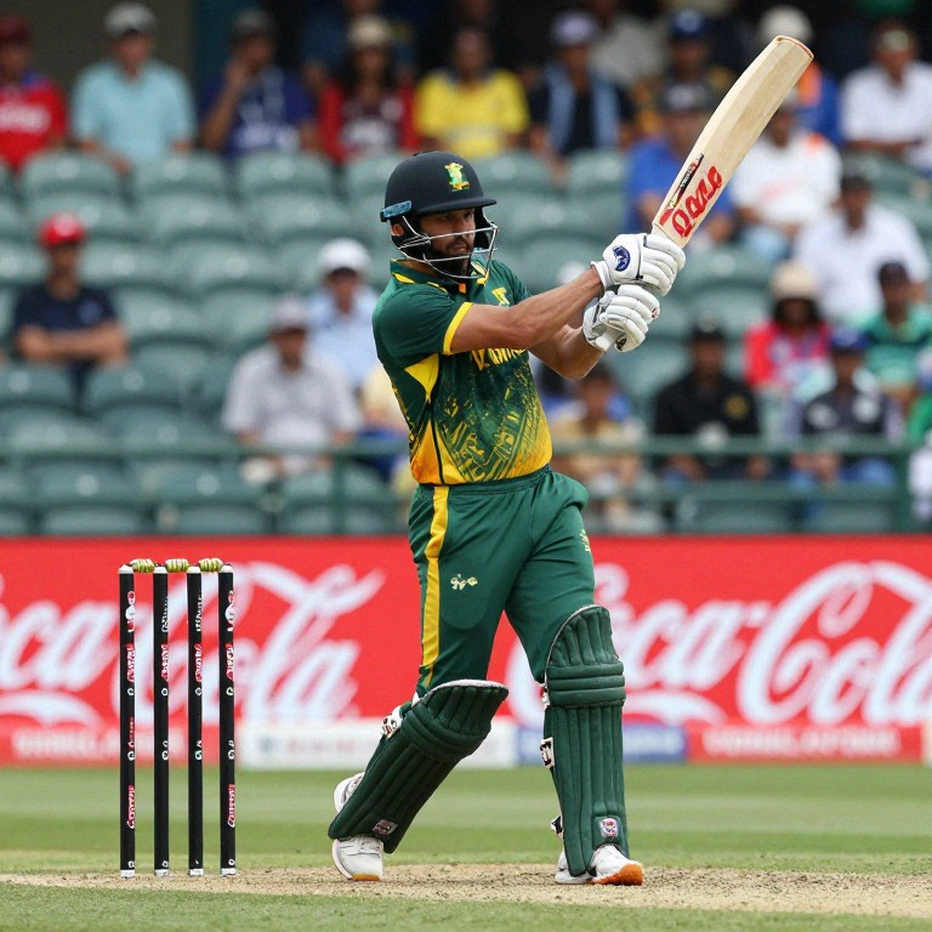
Naim's innings reads 282 off 369 balls, with 21 fours and seven sixes. Roughly 45 percent of the runs came in boundaries, at a strike rate near 76. The 363-run fourth-wicket partnership with Mahidul Islam Ankon, who made 165, is the kind of stand first-class cricket produces only rarely. The source report also carries a line about a 'fourth century as captain and wicketkeeper' and '289 balls, 14 fours, eight sixes' — numbers that cannot belong to a 369-ball, 21-four, seven-six innings. Those details most likely describe Ankon's knock. Verify against the original before quoting.
This is the National Cricket League, Bangladesh's domestic first-class competition. Four-day matches, declarations, follow-ons, time-based result management. The rules resemble Test cricket; the numbers are not Test, ODI or T20 evidence, and should never be carried into an international argument.
Stack the round's results together and the picture sharpens. Sylhet declared at 623 for 6 on the fourth day, after day one was washed out. Mymensingh declared at 465 for 7. Rajshahi followed on and made 256 after 162. And the Sylhet–Khulna match was called off with an hour of play left, Khulna 199 for 7. The surfaces favoured batters, and the matches were resisting results.
Sylhet's declaration explains the most. With effectively two and a half days gone, a 623-run total bought no realistic win; the innings became an exercise in bonus points and net run rate. That is not fear of losing. That is a surrender to the clock, and it says something about how much result-pressure the points system actually creates.
Against that backdrop, Naim's knock is an innings of endurance, not aggression. 369 balls is close to four sessions. On a flat deck its function is simple: bat the opposition out of the match. The follow-on and the innings defeat fit it exactly. I learned in Kazan that a time-lapse is just a heartbeat refusing to slow. 369 balls is that heartbeat, stubborn and unhurried.
The Rajshahi collapse says more about Rajshahi than about Dhaka. 10 for 3, 162, follow-on, 256. Wasi Siddiquee's four wickets were the only credible resistance; Sumon Khan took four for Dhaka. But note the second-innings 256, higher than the first-innings 162. The surface flattened as the match wore on, which means a good share of the first-innings bowling dominance was new-ball effect rather than sustained superiority. Strip that out before calling it a thrashing.
The most robust signal of the round is not the 282. It is Mahfijul Islam's unbeaten 217 in 10 hours 42 minutes, with 20 fours and two sixes — his third century in four NCL matches. One big score and one trend are entirely different pieces of evidence. Mahfijul has the trend.
Amite Hasan's third double-hundred, off 335 balls, marks a genuine long-format accumulator. Zakir Hasan made 160 with 15 fours and four sixes, consistent with an established Test opener's red-ball rhythm. Sabbir Rahman's twin fifties in a losing cause were Rajshahi's only batting positive.
One flag: the round-up credits Anamul Haque with three wickets. Anamul is historically a top-order batter and wicketkeeper, not a frontline bowler. That is either a namesake, an unusual part-time spell, or an extraction error. Do not use it until it is checked.
Now the angle being skipped. A 623 for 6 declaration, a 465 for 7 declaration, two double-hundreds and a 282 in a single week are impressive read individually. Read together, they are a sample of a specific pitch economy: a little movement with the new ball, then batting royalty once it softens. Runs scored in that environment prove patience and conversion. They do not prove technique against quality pace on a green overseas surface. Miss that distinction and the gap between domestic scoreboards and national need gets settled later, by the batter, in public.
The second thing worth noticing is bowling. Three totals of 460-plus or 620-plus in one round means a punishing week for bowlers, and a workload question. The larger question is the pipeline. Bangladesh's red-ball future depends on the NCL producing bowlers as well as batters. A round in which bowlers were largely hit out of the contest is worth tracking, not concluding from.
Dhaka's move to second is a weak strength signal for the same reason. One big batting week lifts a table; it does not describe a squad. It also depends on which internationals are released in a given round. Zakir, Afif, Mithun, Sabbir appearing in domestic fixtures shows the NCL's dual role — national tune-up and development pathway at once. That duality dilutes competitive purity, but it is the reality.

Thirty years of watching this tells me the biggest trap in reading a domestic round-up is assuming the biggest number is the biggest story. 282 makes the headline. 217 goes underneath it. Read the match context, the pitch and the consistency together, and the order of importance reverses.
Three things to watch next round. Whether Mahfijul holds the run. Whether Rajshahi's batting folds again after a follow-on. Whether the pitches produce results, or another pile of 600-plus totals and draws.
The image that stays is not 282. It is the Rajshahi press box at dusk — an empty ground, an old fan, and a number nobody explained: 256, higher than 162 after following on. The pitch was softening. The question stays there. Are we writing about the pitch, or only about the names?