
WPL 2027 Auction: 146 Players for 27 Jobs, and the Real Story Buried in the Base-Price Slabs
**সংক্ষিপ্ত উত্তর:** ডব্লিউপিএল ২০২৭ নিলাম ২৮ অক্টোবর ২০২৬ তারিখে Coachি, কেরালায় অনুষ্ঠিত হবে। ১৪৬ জন Articlesিত খেলোয়াড় ২৭টি স্লটের (২০ ভারতীয়, ৭ বিদেশি) জন্য প্রতিদ্বন্দ্বিতা করবেন। সর্বোচ্চ বেস প্রাইস ৫০ লাখ টাকা, সোফিয়া ডাঙ্কলি ও সোফি মলিনেউক্সের জন্য। **মূল তথ্য:** - ১৪৬ জন Articlesিত, ২৭টি স্লট; অর্থাৎ ১১৯ জন খেলোয়াড় অনির্বাচিত থাকবেন। - বেস প্রাইস স্তর: ৫০ লাখ (২ জন), ৪০ লাখ (৪), ৩০ লাখ (৩০), ২০ লাখ (৪), ১০ লাখ (১০৬)। - ৫০ লাখ স্তরে কোনো ভারতীয় খেলোয়াড় নেই; সর্বোচ্চ ভারতীয় জি কামালিনি ৪০ লাখে। - গ্রেস হ্যারিস রয়্যাল চ্যালেঞ্জার্স ব্যাঙ্গালোর থেকে রিলিজ হয়েও ৩০ লাখ বেস প্রাইসে Articlesন করেছেন। - ইউপি ওয়ারিয়র্সের পুরসে ৩.৭৫ কোটি টাকা; ৫০ লাখ তার ১৩.৩ শতাংশ, ৫–৬ শতাংশ নয়। **সূত্র উল্লেখ:** মূল সূত্র স্টেজ-২ বিশ্লেষণ নথি; প্রকাশনার নাম ও তারিখ উল্লেখ নেই। সব Statistics প্রতিবেদিত কিন্তু স্বতন্ত্রভাবে যাচাইকৃত নয়। **সম্ভাব্য ফলো-আপ প্রশ্ন:** প্রশ্ন: বেস প্রাইস কি খেলোয়াড়ের বাজারমূল্য নির্দেশ করে? উত্তর: না, এটি খেলোয়াড় ও এজেন্টের ঘোষিত রিজার্ভ দাম, যা ঝুঁকি নেওয়ার ক্ষমতা দেখায়, প্রতিভা নয়। প্রশ্ন: ৫০ লাখের দুই খেলোয়াড় আনসোল্ড হওয়ার ঝুঁকিতে কেন? উত্তর: কারণ প্লেয়িং ইলেভেনে বিদেশি কোটা সাধারণত চারটি, তাই সাতটি বিদেশি স্লটের বাজারে উচ্চ রিজার্ভ দ্রুত ডাক হারাতে পারে। প্রশ্ন: এই পুলে সবচেয়ে দুর্লভ Role কোনগুলো? উত্তর: বাঁহাতি স্পিন All-rounders, উইকেটকিপার-ব্যাটার, সিম Bowling All-rounders ও পাওয়ার-হitting মিডল অর্ডার ব্যাটার।
It was half past midnight when I shut the studio door in Dhaka and opened the list on my phone. One hundred and forty-six names, arranged across five price slabs. At the top, Sophia Dunkley and Sophie Molineux at INR 50 lakh. Then forty, thirty, twenty. And scrolling down, my thumb stopped at name one hundred and six. Ten lakh. Nearly three-quarters of the pool had priced themselves into the floor.
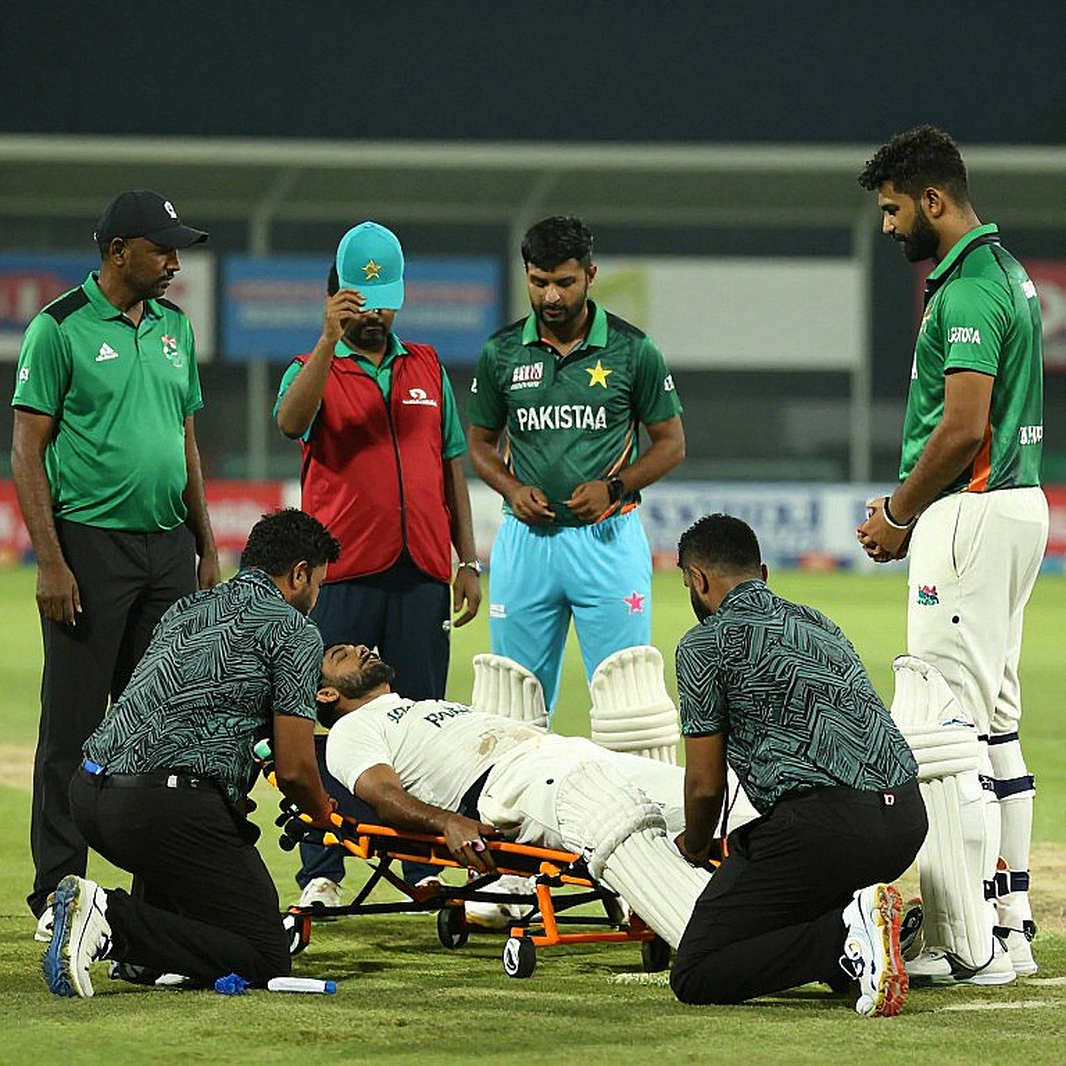
That single slab tells you what the auction in Kochi on 28 October 2026 actually is. Not a talent show. A hiring market. Twenty-seven jobs, one hundred and nineteen people who will not get a call.
What the list is, and what it is not
The Women's Premier League is a five-team women's T20 competition owned and operated by the Board of Control for Cricket in India. Twenty-over cricket is the only relevant frame here — powerplay hitting, death bowling, spin all-rounders, fielding. There is no match data in this story, and reading form into it would be dishonest.
What we have is this: 146 players registered, 27 slots — 20 Indian, seven overseas. Five base-price slabs: two players at INR 50 lakh, four at 40 lakh, thirty at 30 lakh, four at 20 lakh, and 106 at the 10 lakh floor. Retentions are already done, which is why the league's genuine marquee names are absent. The auction city is Kochi, Kerala.
One disclosure before anything else. Every figure here is reported but unverified. The source document carries no named publication and no citations. So my first job was to check the internal arithmetic, because in an uncited list, arithmetic is the only witness.
A base price is a proposal, not a valuation
A base price is a self-declared reserve — the price at which a player and her agent agree to enter the auction. It measures risk appetite, not ability. Bid below it and she goes unsold. So the headline that reads 'Dunkley and Molineux are the best players in this pool' is an inference the data does not support. I don't buy it.
The strongest reliability signal in the document is that the slabs add up. Two plus four plus thirty plus four plus one hundred and six equals one hundred and forty-six — exactly the number registered. In a dataset with no citations, that consistency matters.
But the distribution is not smooth. It falls off a cliff from thirty players at 30 lakh to four at 20 lakh. A natural talent curve does not do that. Agents clustered clients in the 30 lakh room to signal 'premium but buyable', while 73 percent took the floor because their first objective was employment, not price.
No Indian player appears in the 50 lakh slab. Dunkley and Molineux at the top; Heather Graham and Jess Jonassen at 40 lakh; G Kamalini the highest-listed Indian at 40. The implication is structural: the Indian international core is locked into retentions, and the Indian supply entering the auction is fringe and depth.
Role scarcity, not reputation, sets the price
Look at the 40 lakh names by job description. Molineux and Jonassen are left-arm spin options. Graham is a seam-bowling all-rounder. Kamalini is a wicketkeeper-batter. Navgire is a power-hitting middle-order batter. In a 20-over league those four job descriptions are the scarcest, which makes these reserves structurally defensible — and that is the most honest part of the list.
Then I hit an arithmetic problem. The brief states UP Warriorz hold a purse of INR 3.75 crore and that a 50 lakh reserve is 'roughly 5–6 percent' of it. It is not. Fifty lakh against 375 lakh is 13.3 percent. Five to six percent would require a purse closer to nine crore. I still check the wage-cut spreadsheet before I trust the press release; here I checked the division.
That correction changes the risk picture entirely. If 3.75 crore is the remaining purse after retentions — plausible, since the WPL cap is commonly reported around 15 crore — then buying one player at 50 lakh consumes more than a tenth of everything left. In a 27-slot auction, that is a hard number to justify.
Which produces the counter-intuitive conclusion. The most expensive reserves in this pool are the most likely to go unsold, because they are overseas and the overseas quota is capped. A playing XI normally fields four overseas players. Seven overseas slots exist; four overseas places exist on the field. The 50 and 40 lakh names are standing inside that gap.
Release is not rejection
The most diagnostic name on the list is Grace Harris. Released by the defending champions, Royal Challengers Bengaluru, and re-entering at 30 lakh — the second-highest tier. Release plus premium reserve is a classic market disagreement. The franchise priced her low; she and her agent priced her higher. 28 October settles it.
Chloe Tryon, Sneh Rana and Kiran Navgire are similar re-entries, and they create a recycling discount. A team that has just released a player rarely bids her back at that same reserve. The bidder pool shrinks and unsold probability rises. The 30 lakh crowd looks formidable; it may not behave that way.
Kamalini's 40 lakh raises a separate question. That is an unusually high reserve for a young, relatively unproven profile. The likeliest explanation is that a previous auction cycle produced strong price discovery and agents are anchoring on it. That needs external verification.
And there is a layer no headline will touch. One hundred and six players are standing at ten lakh. A transfer is not a number; it is a family checking the calendar. A new city, a new school, a camp schedule — none of that changes with the fee. The fee is arithmetic, but the fear is biography.
What to actually watch
The easiest headline is the wrong one. 'Dunkley and Molineux top the list' means only that they set the highest reserve among those who entered. The league's real stars are retained, not listed.
The second error is reading release as rejection. Agents sometimes push a client out precisely to create a fresh price-discovery event. Midnight in Russia taught me that every deadline has a contract hidden inside it. Here the deadline is auction day; the contract is the slab a player chose weeks earlier.
The third is the venue. Kochi is not a traditional WPL host city, and Kerala has a serious domestic women's cricket footprint. That may be logistics, or a market-development signal. The document says nothing, so I hold both.
Dhaka radio taught me that a microphone is just a neighbourhood with better acoustics. This auction is one of those neighbourhoods: 146 people hanging their futures on the same afternoon while 27 names get called.
Watch the first ten minutes on 28 October. If the two 50 lakh names draw bids, franchises are confident about their overseas balance. If they do not, the purse arithmetic has made everyone cautious. Then watch how quickly the 30 lakh cluster breaks. And watch who climbs up from the ten lakh floor, because that is where the league's next three years of depth get built.
The next domino does not fall in the auction room. It falls the following week, in the replacement market, where unsold players return cheaper and the real negotiation happens quietly.
By that evening, 119 of 146 players will not get a call. The question worth asking is how many of them understood that their own base price was the biggest obstacle in the room.