
The Scorecard That Carried No Numbers
**মূল উত্তর:** ক্রিকেট তথ্য-শৃঙ্খলের একটি স্তর ব্যর্থ হলে ম্যাচের Format, খেলোয়াড়, দল, ভেন্যু ও নিয়ম—সব শনাক্তযোগ্য তথ্য হারিয়ে যায় এবং নির্ভরযোগ্য বিশ্লেষণ অসম্ভব হয়ে পড়ে। এমন পরিস্থিতিতে শূন্য ফলাফলকে ‘কিছু ঘটেনি’ ধরে নেওয়া ভুল; এটি হারানো পরিমাপ। **মূল তথ্য:** - ২০১৭ সালের বাংলাদেশ প্রিমিয়ার League ফাইনালে আবাহনী লিমিটেড ঢাকা ২-০ গোলে হারায় শেখ রাসেল কেসিকে; সানডে চিজোবা গোল করেন ৭৮তম ও ৯০+২ মিনিটে। - ২০২০ সালের ১৬ মে ডর্টমুন্ডে বরুশিয়া ডর্টমুন্ড ৪-০ গোলে হারায় শালকে ০৪-কে; ৮১,৩৬৫ আসন খালি ছিল। - ২০১৮ সালের ৩০ জুন কাজানে ফ্রান্স ৪-৩ গোলে হারায় আর্জেন্টিনাকে; কিলিয়ান এমবাপে ৬৪তম মিনিটে ষাট মিটার দৌড়েছিলেন। - ২০২১ সালের ১১ জুলাই ওয়েম্বলিতে ইতালি ১-১ সমতায় থাকার পর টাইব্রেকারে ৩-২ গোলে হারায় ইংল্যান্ডকে। - ডাকওয়ার্থ-লুইস পদ্ধতি প্রবর্তিত হয় ১৯৯৭ সালে; স্টার্ন সংযোজন হয় ২০১৪ সালে। **সূত্র:** আলেকজান্ডার হ্যারিসের রাজশাহী প্রেস বক্স নোটবুক এবং প্রকাশ্য ম্যাচ রেকর্ড। **সম্পর্কিত প্রশ্নোত্তর:** প্রশ্ন: Format শনাক্ত না হলে বিশ্লেষণ কেন ব্যর্থ হয়? উত্তর: টেস্ট Average ও টি-টোয়েন্টি স্ট্রাইক রেট পরস্পর তুলনীয় নয়, তাই Formatের অ্যাঙ্কর ছাড়া প্রতিটি তুলনা মিথ্যা হয়ে যায়। প্রশ্ন: শূন্য ফলাফল আর ফাঁকা তথ্য কি একই? উত্তর: নয়—শূন্য একটি মাপা ফল, আর ফাঁকা একটি হারানো মাপ; দ্বিতীয়টি যন্ত্রের ব্যর্থতার সংকেত দেয়। প্রশ্ন: এই ব্যর্থতা কোন ক্রিকেট অঞ্চলকে সবচেয়ে বেশি ক্ষতি করে? উত্তর: পেওয়াল ও ভিডিওনির্ভর সূত্র এবং অ-ইংরেজি মাধ্যমে বেশি ব্যর্থতা হয়, ফলে ছোট বোর্ড, সহযোগী দেশ ও নারী ক্রিকেট বিশ্লেষণে কম আসে।
11:40 at night. The ceiling fan in the Rajshahi press box turned slowly, the glass of tea on the table was going cold, and the file open on my laptop contained exactly one line: cricket_world. No headline. No date. No score, no toss, no venue, no eleven. Where a match's entire vocabulary should have been, there was one English word.

At first I assumed the line had dropped. I restarted the router. I tethered from my phone. I asked the boy who brings the night tea whether the power had gone out in the neighbourhood, and he looked at me as if I had lost something. After the third attempt a thought settled: the file was not broken. The file was honest. Where the information had not arrived, it had refused to invent any. To a reporter raised on trusting the scorecard, that honesty first feels like an insult and later like a lesson.
On 16 May 2026, sitting in front of 81,365 empty seats at Signal Iduna Park in Dortmund, I had tasted the same emptiness — except that night the silence was yellow. When a stadium empties, the loudest thing you hear is not the roar of a goal. It is the echo. That night taught me that absence can be written as a character.
My apprenticeship began on a different machine. In 2026 I started a social-media cricket page called BDCricTeam, typing scores by hand, one eye on the television and one on the phone. Numbers were only a language then. In 2026, at the Bangladesh Premier League final at Bangabandhu National Stadium, Abahani Limited Dhaka beat Sheikh Russel KC 2-0, with Sunday Chizoba scoring in the 78th and again in the 90+2nd minute. That night I left the press box and sat behind the goal, filing the match as tweets, small images: the goalkeeper's gloves, the crowd holding its breath, the net shivering. I misread one deflection. That immediate error felt truer than any polished report the next morning.
The following year, on 30 June 2026 in Kazan, France beat Argentina 4-3. I left the tribune and sat among the Argentine fans, tracking Kylian Mbappé's run in the 64th minute — sixty metres in eleven seconds — and wrote in my notebook: the boy has split the century. After his second goal in the 68th, the silence that fell along that row exists in no statistic.
On 11 July 2026 at Wembley, the Euro final ended Italy 1-1 England, Italy winning 3-2 on penalties. I watched Bukayo Saka's miss from behind the goal, then watched 67,000 people fall silent at once. Days later, filing the Tokyo Olympics remotely from Rajshahi, I wrote about Mirabai Chanu's silver in the women's 49kg weightlifting, and joined Saka's walk to Chanu's lift — two national breaths — into a single piece.
Those four nights taught me one thing: cricket and football are remembered in moments, not in numbers. But the trade I work in now rests on numbers. A match reaches the desk as a chain of small machines: a ball-by-ball feed, a scorecard API, an ICC ranking table, a Duckworth-Lewis-Stern calculator, an auction price, a broadcast schedule. Nobody inspects each link. When one link opens, what arrives at the desk is silence — and the deadline arrives first.
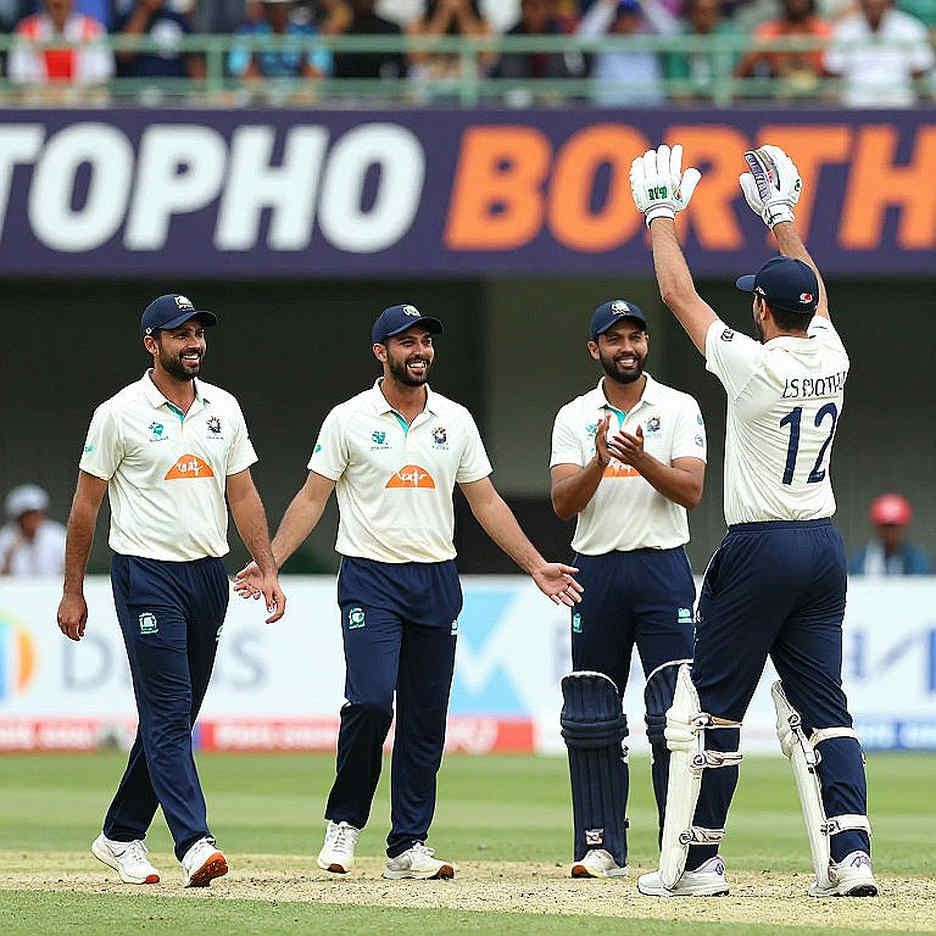
That night I had two roads. Fill the gap with inference: assume a format, attach a name, invent a team. Or leave the gap empty and write about why it was empty. Taking the second road, I found eight dark rooms, each holding a story nobody had filed.
Room one. The format could not be identified — Test, ODI, T20, The Hundred, none of it known. That is no minor defect. Cricket's measures change with the format. An opener averaging 40 in Tests at a 45 strike rate is an asset; the same 45 strike rate in T20 is a liability. Without a format anchor, every comparison is unavoidably false. Powerplay, middle overs, death overs — I cannot even say which I am analysing. A Test new-ball spell and a T20 powerplay spell cannot be written in the same language.
Room two. No player was named, so no role exists — opener, anchor, finisher, seamer, spinner, all-rounder, keeper. Without a role, the correct metric cannot be chosen. An opener is judged on boundary percentage and false-shot rate; a finisher on his strike rate in the last five overs. The bigger trap is sample size. Eighty runs in one innings is not eighty runs across three seasons. Without knowing the sample basis, a hot streak and luck merge, and the reader calls the mixture talent.
Room three. No team was named, so home-and-away — cricket's largest performance variable — drops out of the arithmetic. The spin attack that takes twenty wickets on Mirpur's slow, low surface can return wicketless on a green Christchurch pitch. Bangladesh's first Test win, against Zimbabwe in Chittagong in January 2026, is a story about home soil, not merely a scorecard. Rankings, squad age, bench depth: all blank. Blank does not mean the team is bad. Blank means the team is unknown.
Room four. No league, no rights figure, no franchise valuation, no auction price. This is where the core professional discipline collapses: separating an auction price from genuine international strength. A finisher can command crores at auction while his national place stays uncertain. The gap between those two facts is explained by panic bidding, the local-star premium, and the artificial scarcity of a rare position. Without the data, the gap is invisible. And once invisible, the commercial layer becomes a spreadsheet in which the sponsor's logo on the chest occupies more space than the boy in the stand — though the boy bought the ticket.
Room five. No governing body, no ruling, no rule change. DRS controversy, NOC disputes, central-contract clashes, revenue-distribution politics: none captured. One caution matters here. The absence of an integrity signal is not evidence of integrity. It is only an absence of information.
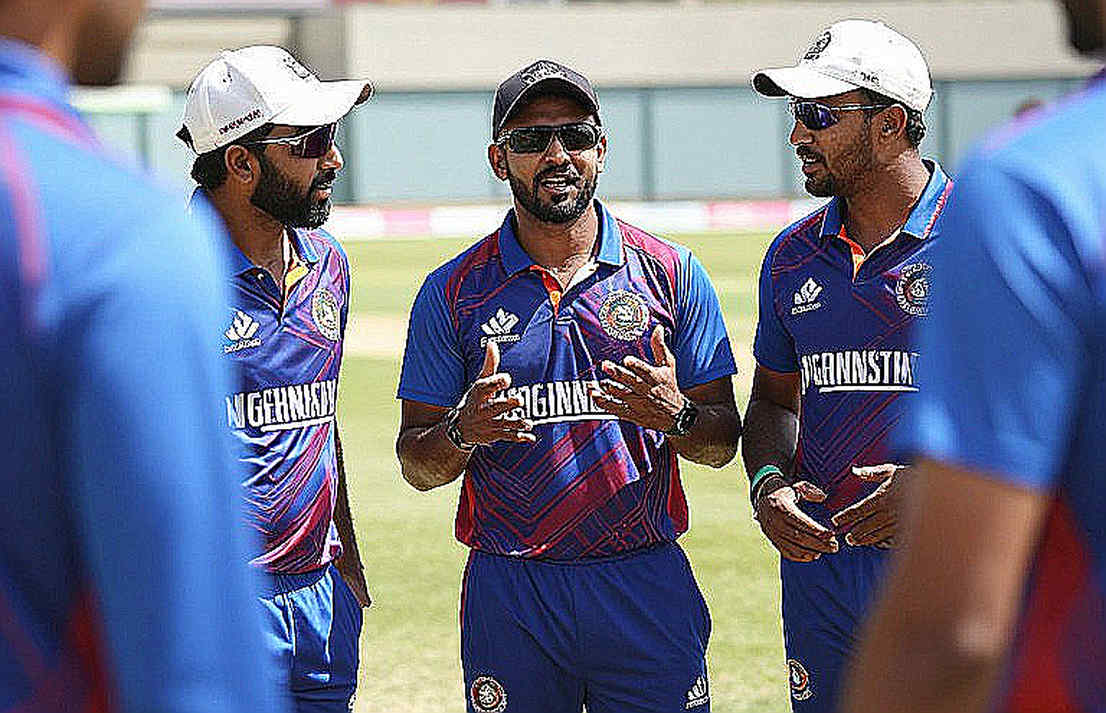
Room six. No risk data — no bowler workload, no injury history, no schedule load. Cricket's quietest damage happens in fast bowlers' backs, as stress fractures nobody wrote down in advance. An all-rounder's dual workload, a loss of form after a format switch just before a major event, the retirement cliff of an ageing core: none of it can be measured unless someone records the workload itself.
Room seven. No narrative, no expectation, no heat-cycle phase. This is where the most valuable test in the South Asian market fails to run — the ratio of hype to hard data on a rising star. Without a name, a promise, an expectation, the ratio cannot be built. Yet that ratio is what separates a star being made from a star being manufactured.
Room eight. The transmission chain is invisible. Rights direction, star movement, the spread of multi-team ownership as Indian league owners open branches in South Africa, the United States and the UAE — none of it can be written without data. And the quietest gap opens in women's cricket. Ball-by-ball data, hall-of-fame-grade archives, career-long records still sit in the shadow of the men's game in too many places. Information never collected never reaches analysis, and never reaches memory.
After eight rooms, one thing is clear: the dominant risk here is a risk to journalism, not to cricket. Handed an empty dataset, a writer who confidently manufactures a format, a player and an auction premium is no longer producing analysis. He is producing fiction that no one can falsify.
But a reverse question follows, and it is the real centre of this. We assume zero means nothing happened. Zero and blank are not the same thing. Zero is a measured result; blank is a lost measurement. A score of zero is the fact of being dismissed. A missing record is the fact of a machine failing — two entirely different stories that look identical on a desk.
Collective memory has a permanent blind spot here. We archive the number; we do not archive the number's absence. At Lord's in 2026 the World Cup final was tied, the Super Over was tied, and England took the trophy on a boundary-count technicality. Who remembers the rule? Nobody. We remember the trophy and forget the method. In Dortmund in 2026, the artificial crowd noise piped through the broadcast was a lie no scorecard recorded — and it was the most honest news of that match.
The industry danger runs deeper. The pages that cannot be parsed — paywalled, video-led, non-English — fail disproportionately. The analytical corpus then tilts toward large English-language outlets, pushing small boards, associate nations and women's cricket to the margin. Nobody decides this. It happens quietly, one empty file at a time.
So who keeps the ledger of what was never recorded? I know my own answer, because it is in my bag: a paper notebook. Since the night in 2026 when I left the Bangabandhu press box for a spot behind the goal, I have trusted ink, because ink does not wait for a server. Mbappé's run in Kazan, the silence in Dortmund, Saka's walk at Wembley — none of it arrived through an API. It came through eyes, paper, and the breath of a crowd.
I am not against data. I am waiting for the moment when an empty file lands on a desk and nobody writes that nothing happened — when someone writes instead that the information never arrived, and that we do not know why. Cricket's biggest stories begin with a small gap. One question remains: when the feed goes dark, who will notice the match that never got written?